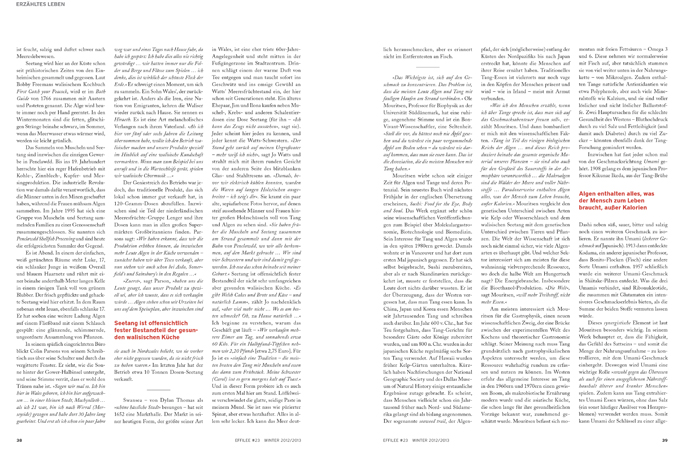
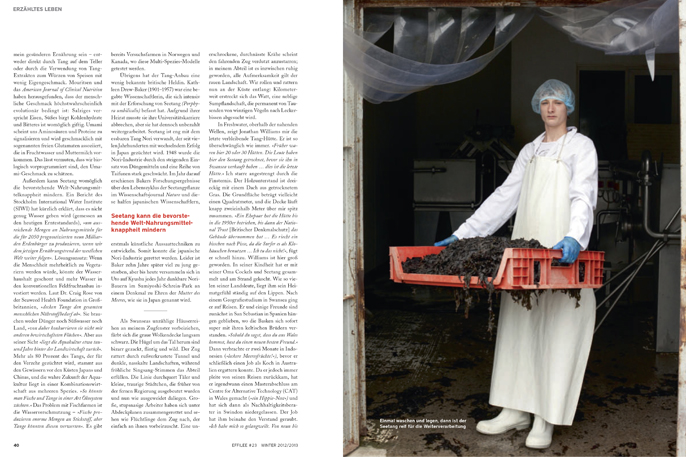
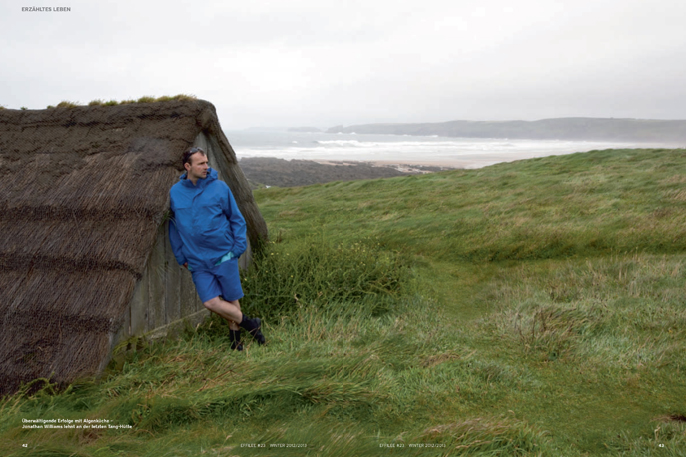
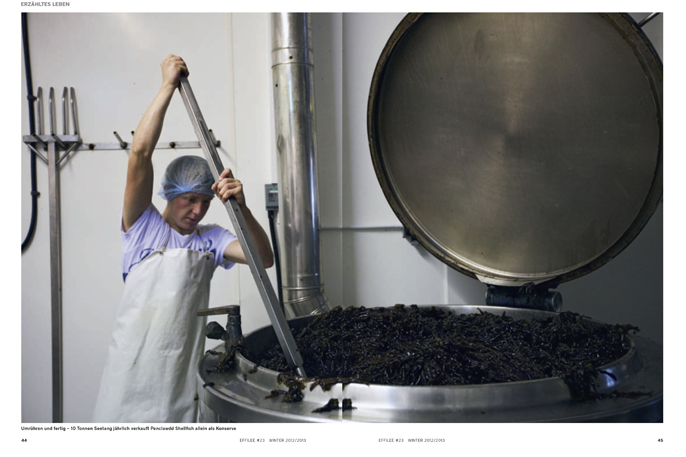
Here is a recent tearsheet from the wonderful Effilee Magazine for whom I wrote and photographed a really interesting story about seaweeds – an important and potentially significant food source across the world. I focused on the Welsh tradition of Laverbread and had the most wonderful time experiencing Welsh hospitality and a delicious new food.
I’ll be posting (as usual) the 5000 word text on my website in due course.
Very sad to hear of the passing of the extraordinary Modernist Brazilian architect, Oscar Niemeyer this morning.
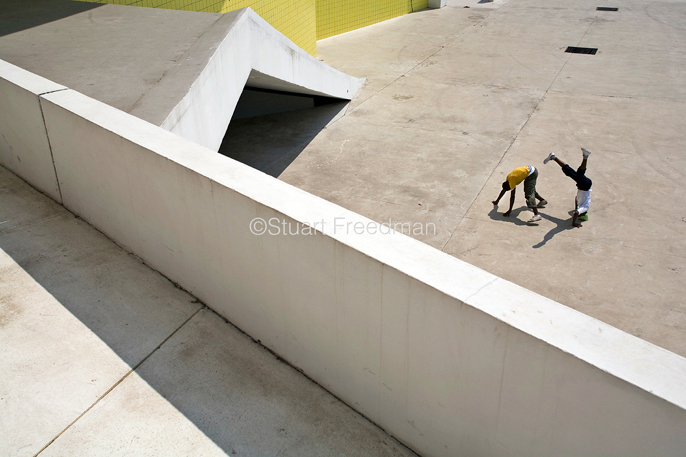
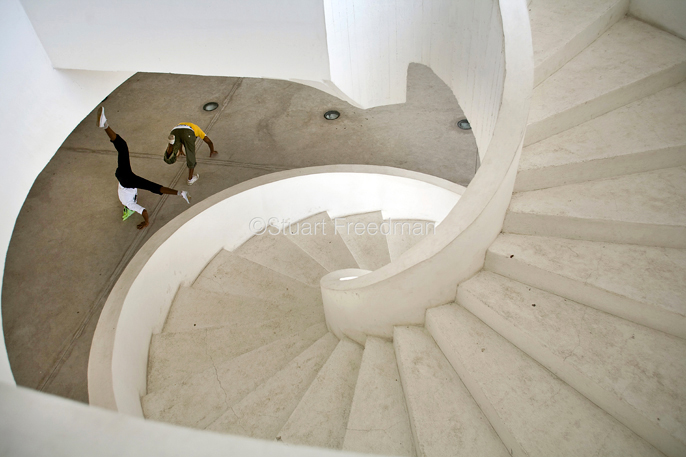
A few years ago, while on assignment for a magazine in Rio, I was told by my fixer about some young capoeristas that practised outside a wonderful modernist landscape in Niteroi. We took a ferry across the bay and sure enough found some young men sparring in front of these great blocks of colour and shape. I chose two lads to work with but could only spend an hour or so there as we had to be back on Copacabana beach to shoot some models at dusk. I am ashamed to say that I never really had a chance to look around properly but the buildings as a backdrop were breathtaking: swooping colour and line that were perfect for the fluid movements of the capoeristas.
Here are three of the images.
Brazil – Niteroi – Two young Capoeiristas practicing Capoeira outside a Modernist theatre designed by Oscar Niemeyer. Capoeira is a mixture of martial arts and dance that originated in Brazil created and developed by African slaves during the 16th century. Participants form a roda (circle) and take turns playing instruments, singing, and sparring in pairs. Enormously acrobatic, Capoeira was for most of it’s existence, banned by the Brazilian authorities. It is now seen as a national sport.
Brazil – Niteroi – Two young Capoeiristas practicing Capoeira outside a Modernist theatre designed by Oscar Niemeyer.
Brazil – Niteroi – Two young Capoeiristas practicing Capoeira outside a Modernist theatre designed by Oscar Niemeyer.
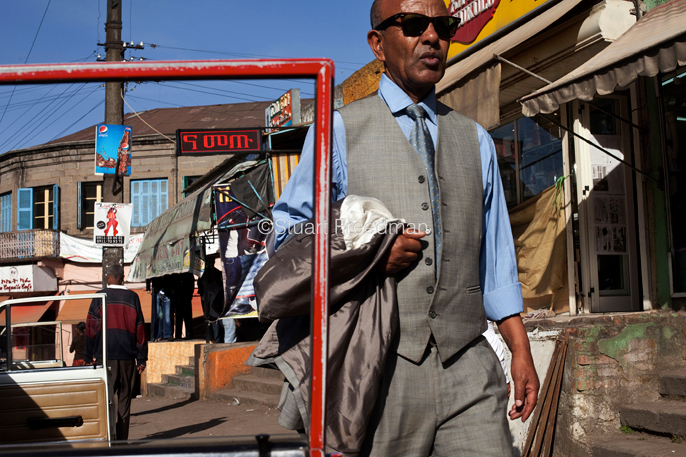
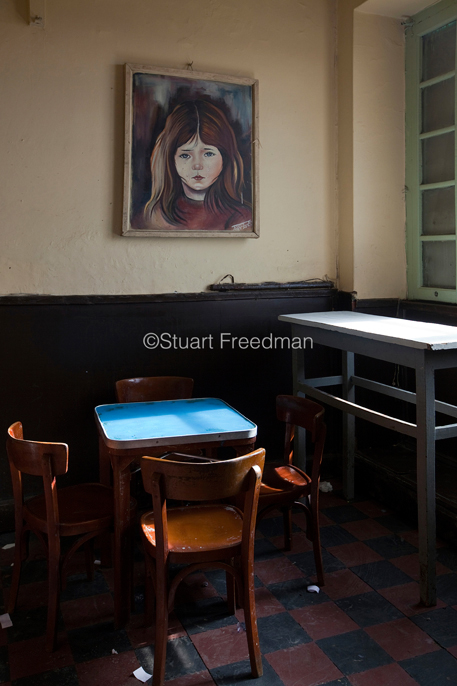
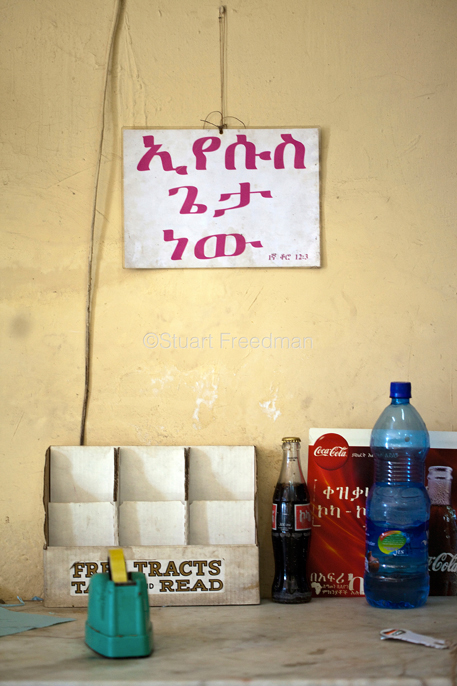
I’m in Addis Ababa for the first time in eight years on a writing job but stumbled across a beautiful place seemingly frozen in time. If you’ve read this blog before you’ll know of my obsession with the Delhi Coffee House and all those sadly missed palaces of melancholy, the Classic London Caff.
It’s always a pleasure to stumble on a place like this – officially known as the Ras Mokonnen Pastry shop in Piazza – especially when I can’t find any mention of it online. The elderly owner, Mr Lubo tells me he bought it from a Greek man ‘about thirty five years ago’. He’d had it for at least ten years before that and he wasn’t the first owner…
Perfect macchiato, perfect baklava. A moment in time that I wasn’t expecting to find.
Many thanks to my excellent translator, Lily, (Simegnish Yekoye) not least for putting up with my excitement…
You can find it in Piazza – there’s no sign…
Ethiopia – Addis Ababa – A waiter in the Ras Makonnen pasty and coffee shop
Ethiopia – Addis Ababa – A period table and chair in the Ras Makonnen pasty and coffee shop
Ethiopia – Addis Ababa – The barista in the Ras Makonnen pastry and coffee shop
Ethiopia – Addis Ababa – The Ras Makonnen pastry and coffee shop
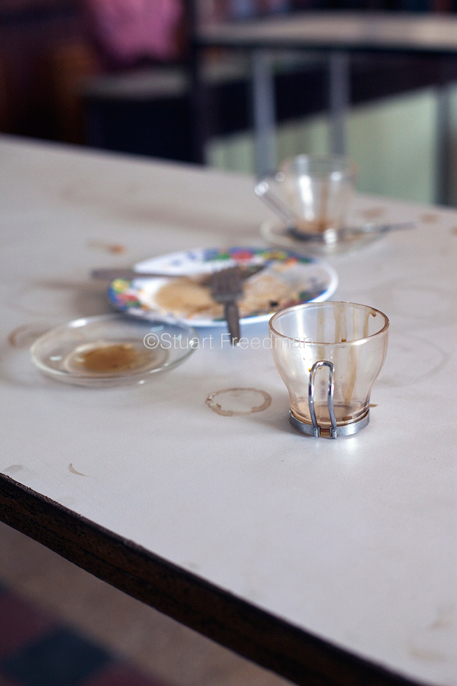
Ethiopia – Addis Ababa – Empty coffee cups and plates in the Ras Makonnen pastry and coffee shop
Ethiopia – Addis Ababa – A waitress in the Ras Makonnen pastry and coffee shop
Just returned from a lovely week in Jersey opening the Human Rights week with my exhibition. Great response and a pleasure to be involved in Amnesty’s work and education programme. I spoke at half a dozen schools and also to BBC radio Jersey about my work. You can hear the interview here.
Prints by John Cleur at Metro looked extraordinary. Many thanks to everyone that came along, listened and looked.
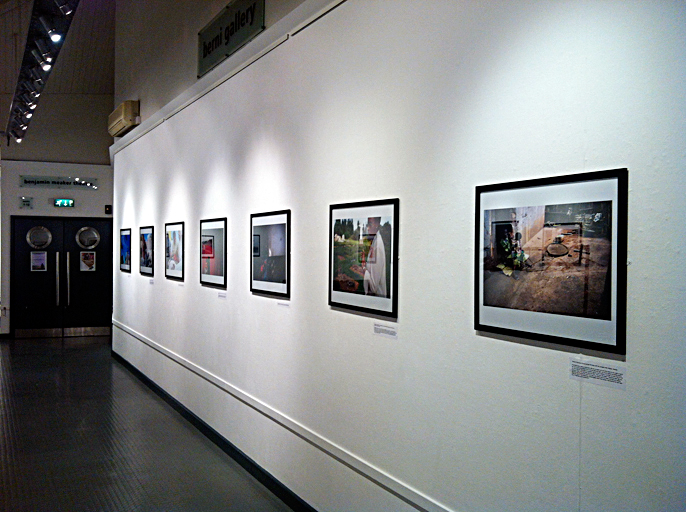
Delighted to be featured again on the EPUK showcase with some work from Delhi that will be shown at the Amnesty Festival in Jersey as part of my exhibition, The Art of Getting By
Even though Eid is over, the city is less frantic than usual. Although I’m here on a writing assignment I’m managing to make some time to do some street work…
Bangladesh – Dhaka – A man walks through the gardens of Lalbagh Fort
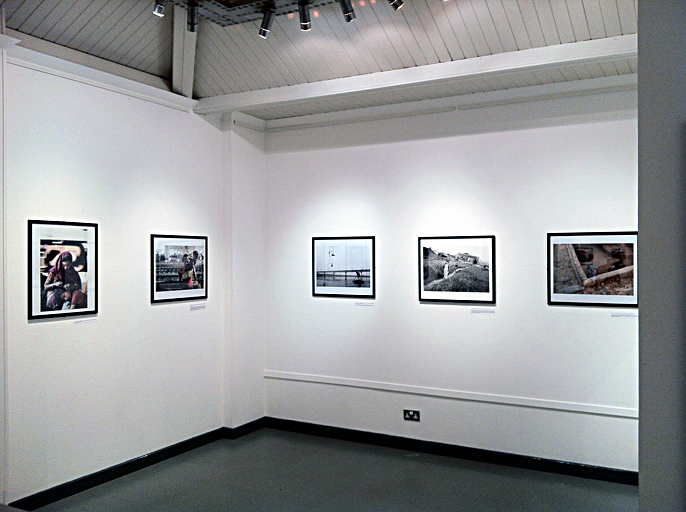
I’m delighted to announce that my exhibition – The Art of Getting By – will open the 8th Jersey Amnesty International Human Rights Festival where I’ll be doing some teaching and workshops.
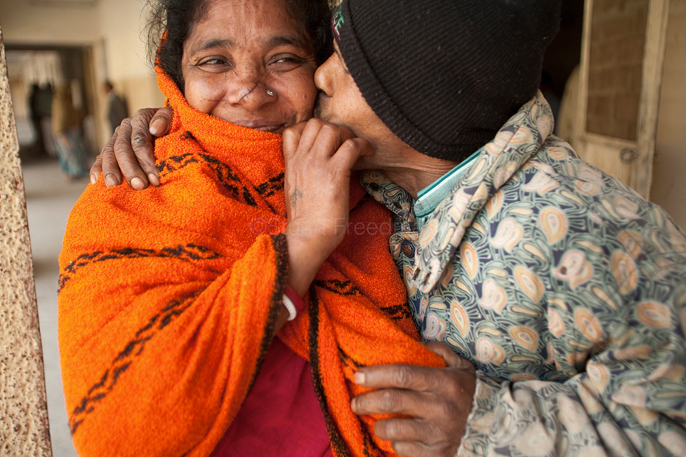
India – Delhi – A mentally ill man kisses his wife who visits him in the secure ward at the Institute of Human Behaviour and Allied Sciences
The French, as always have a word for it. Débrouillardise. The art of getting by – resourcefulness – surviving and laughing. I heard it first in French Africa in the ‘90s and I realised that I have been trying over the last two decades (even before I really knew the word) to make it a motif in the reportage that I made in even the most difficult circumstances. It is no less than the human condition – why shouldn’t the poor, the maimed, the brutalised somehow steal a smile, fall in love? A determination to live. To be normal. To be just like us.
These images are not romantic – although I hope that some are beautiful – rather they reflect the everyday struggles of common people. They also aren’t meant as rosy depictions of poverty from an outsider and they aren’t meant to patronise. I have worked consistently in the Developing World for most of my career and that was a choice made from the low horizons of my own childhood and the desire to escape the grey landscape of a Hackney past.
I consciously sought difference but found similarity and common ground.
These images are taken from stories from many countries. They show people touched by war and poverty living as best they can. They are small stories from larger narratives and by and large show small lives but they are no less important for that.
For me, this is a kind of retrospective: photographs of what I have tried to see – sometimes forced myself to see – to remember that the world is not dark, dangerous and other, but that it is beautiful and full of life.
You just have to know where to look.
My enormous thanks to Stuart Smith for curating and Metro for printing
It’s with great sadness that I read of the destruction of parts of Aleppo in the fighting that has engulfed Syria. Tragically, the Souk, a World Heritage site, has been badly damaged. It is almost ten years to the day that I photographed Aleppo on assignment for British Airways Highlife Magazine. I liked Aleppo – and indeed Syria – very much. The Baron Hotel was then a decaying but beautiful nod to a more glamourous and decadent past while the Souk was dark, mysterious and wonderful. I still have a bar of olive oil soap from a stall there and as I smell it now, Aleppo comes back to me.
Syria – Aleppo – The view into Aleppo from the Citadel
Syria – Aleppo – Men walk though the ancient Souk in Aleppo
Syria – Aleppo – A woman in the Souk
Syria – Aleppo – A boy working on a stall in the Souk
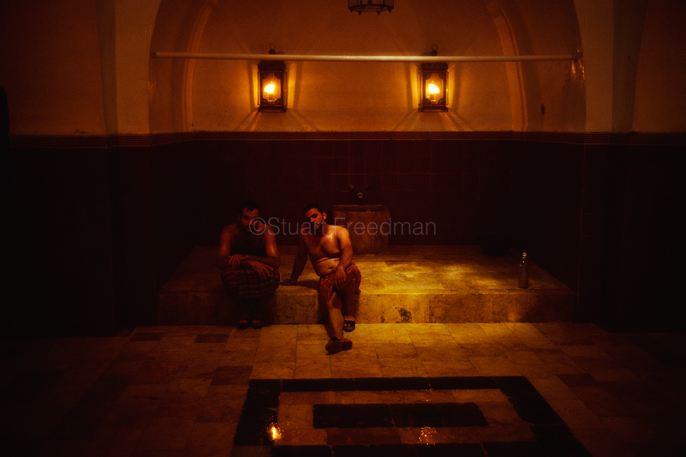
Syria – Aleppo – Two men in a hammam in the Souk
Syria – Aleppo – The Citadel reflected in a shop window
Syria – Aleppo – A man walks the narrow alleyways behind the Souk, darkness bisected by pools of brilliant sunlight
Syria – Aleppo – A waiter carries drinks into the bar of the Baron Hotel, a favourite haunt of stars and politicians of the early twentieth century
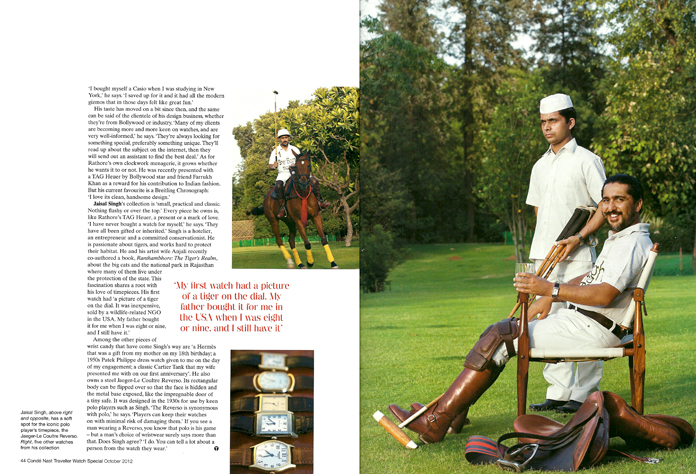
Here’s a spread that I shot for Conde Nast Traveller in India this summer – part of a special supplement on the world’s most discerning watch collectors…