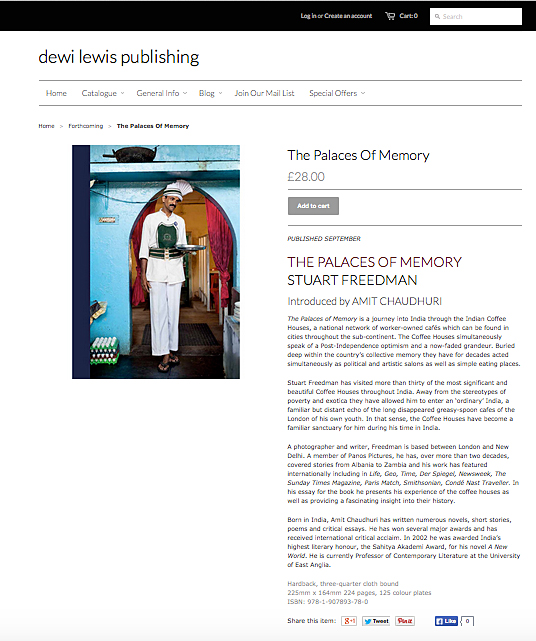
I was delighted to record two live interviews last night for BBCWorld’s Newsday (shown at breakfast time in Asia) about my new book, The Palaces of Memory, my love letter to the Indian Coffee Houses.
You can see one of them here or by clicking the image below.
I’m delighted to report that my new book, The Palaces of Memory, Tales from the Indian Coffee House will be published in September by Dewi Lewis. See here for details.
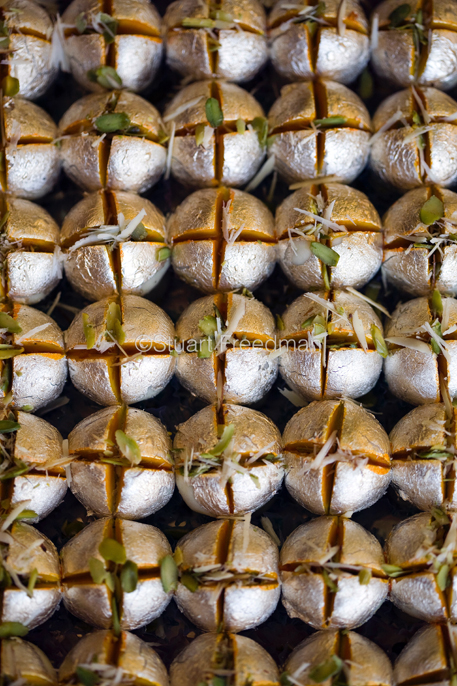
Over the last five years or so I must have photographed Delhi street food a dozen times for different magazines. I would always however try and steer the piece towards the Ghantewala sweet shop on Chandni Chowk – as much because that gave me a good excuse to try the ladoos and the sohan halwa which was always offered.
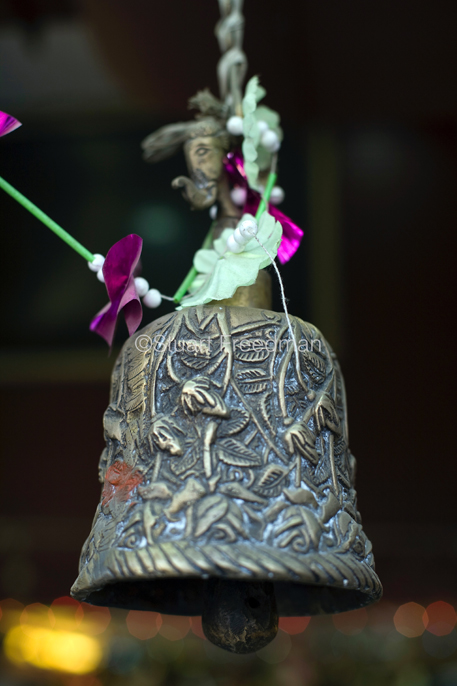
I was deeply saddened this morning after reading the excellent Delhi Walla blog that the Ghantewala sweetshop had suddenly closed. According to a piece in today’s Hindu, the current owner, Sushant Jain, said unavoidable personal circumstances – and a drop in profits – had led to the closure. Ghantewala had been around in one form or another since 1790 and legend has it that the Emporer’s favourite elephant used to ring the bell hanging outside the shop to be fed sweets. As so often, the truth behind the legends matter less than the legends themselves: so cities ebb and flow. In recent years it seems that India has rediscovered its food heritage and realised that its culture is wrapped up in more than bricks and mortar. There are numerous Delhi food walks around now and my friend Pamela Timms, (although now recently relocated back to the UK) is the author of the definitive Korma, Kheer and Kismet – a wonderful and detailed tour of many unsung street eating joints. The globalisation of food means that I can eat at any number of Japanese or Italian restaurants in Delhi but I should be hard pressed now to taste sweets that link the Mughal Emperor Shah Alam to the present day. What a shame.
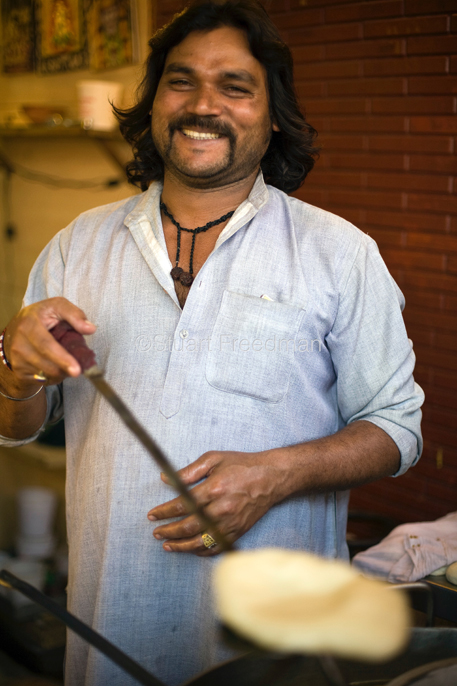
Raj who delivered the sweets in the Ghantewallah Confectionary shop on Chandni Chowk.
Sweets on sale in the Ghantewallah Confectionary shop on Chandni Chowk
Sweets on sale in the Ghantewallah Confectionary shop on Chandni Chowk
Sanjay preparing a fried bread dish in Ghantewallah Confectionary shop on Chandni Chowk
The bell outside the Ghantewallah Confectionary shop on Chandni Chowk
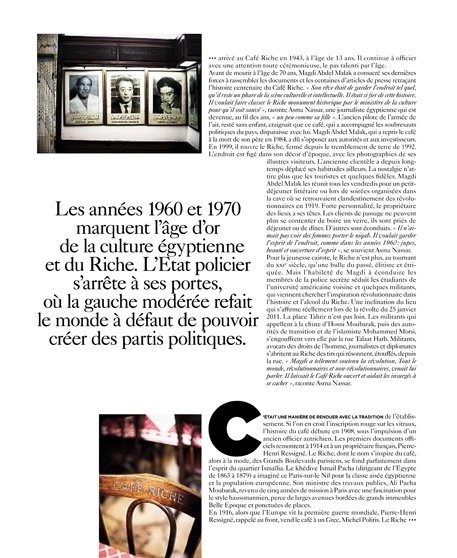
I made my original story – about the Cairo Ahwas a couple of years ago (the original tearsheet from the German Effilee Magazine is here) writing about the changing political significance of these cafés during the recent uprisings.
Always nice to have something like this re-used, especially in the context of somewhere as historically significant as the Riche – but that is tempered by the uncertainty of its future.
In 1996 I was assigned by the Independent on Sunday Magazine to photograph and write a story about Chandigarh, a city in India’s Punjab that had been entirely designed and planned along Modernist lines by the architect and planner, Le Corbusier. I first wrote about that assignment on this blog in 2010 – see here.
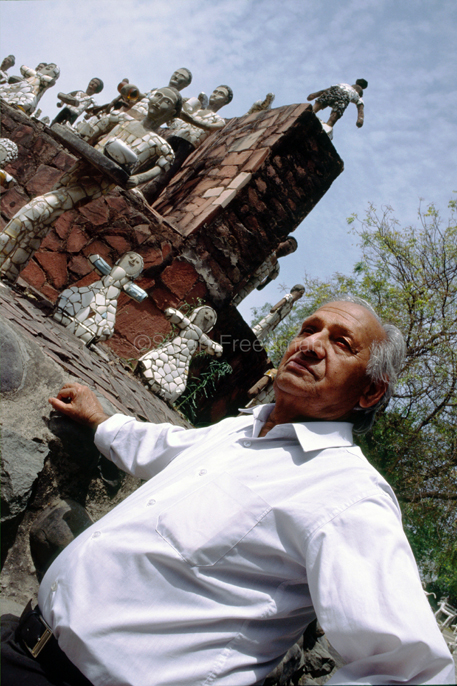
During that assignment, my driver recommended that I go and visit a rather dubious sounding rock garden that had been created. Bored and irritable under the blazing sun I turned up asking for a chap called Nick – responsible for what I believed was a inconvenience between me and my hotel room. I couldn’t have been more wrong. Nek Chand, the charming elderly man that met me had, in his spare time – in secret – over the last two decades, built the most extraordinary statue kingdom out of waste materials. By the time the authorities had discovered it, it had grown into a 13-acre complex of interlinked courtyards, each filled with hundreds of pottery-covered concrete sculptures of dancers, musicians, and animals. It was extraordinary. The garden had been embroiled in a fantastic tale of urban corruption, vandalism and official obfuscation but like all good Indian fables, right had triumphed and the forces of destruction had been defeated. The garden would become one of the most iconic sights in that city and Chandigarh would become proud of its amateur artist and his bizarre dream. This morning I learned that Nek Chand, one of the world’s dreamers had passed away at the grand old age of 90. What a sad loss.
India – Chandigarh – Nek Chand in his Rock Garden.
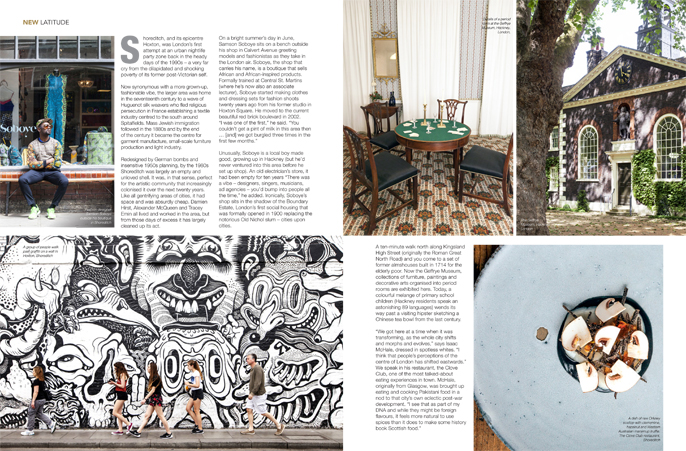
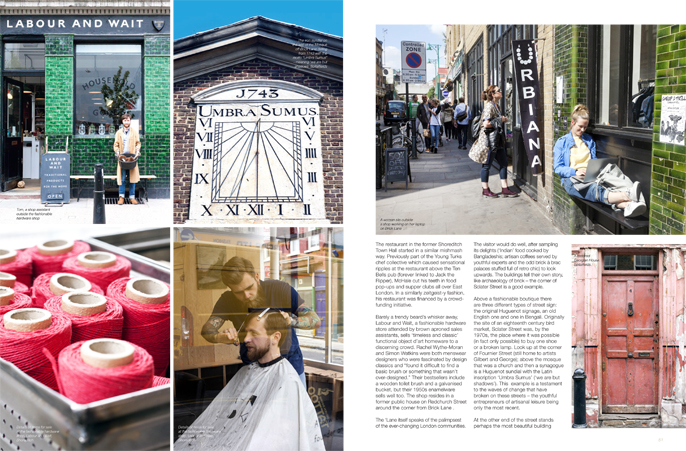
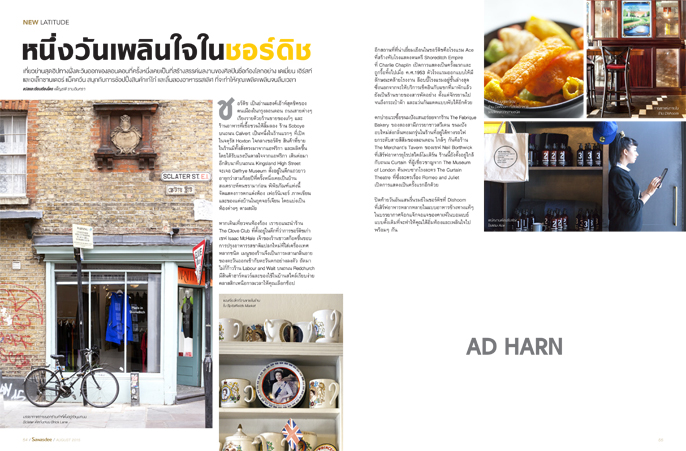
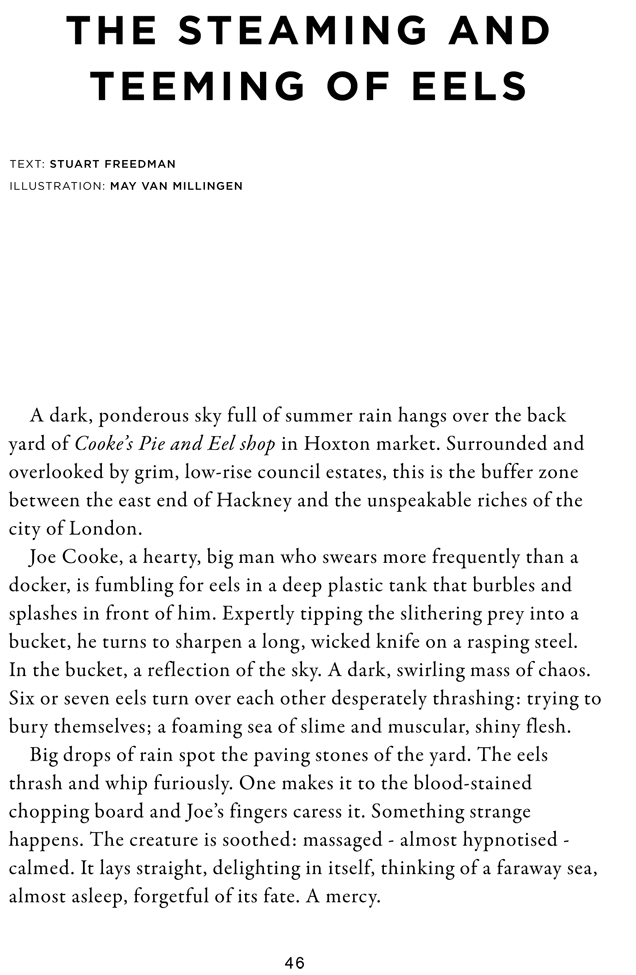
I’m delighted that my writing about London’s eel and pie tradition is included in the new UnCommon London book.
UnCommon is a compendium of guide and travel writing “and is more of a ‘companion’ for the traveller before, during and after the journey.” UnCommon London joins editions on Malta, Stockholm and Dubai.
Commissioned by my old friend Mike Fordham, my words are illustrated by May Van Millingen.
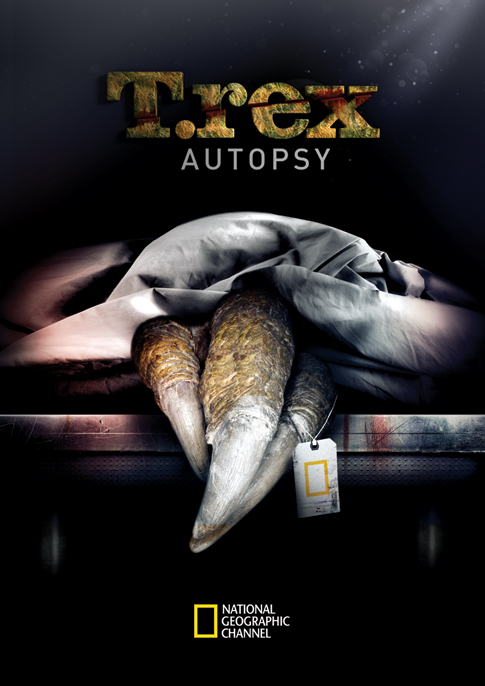
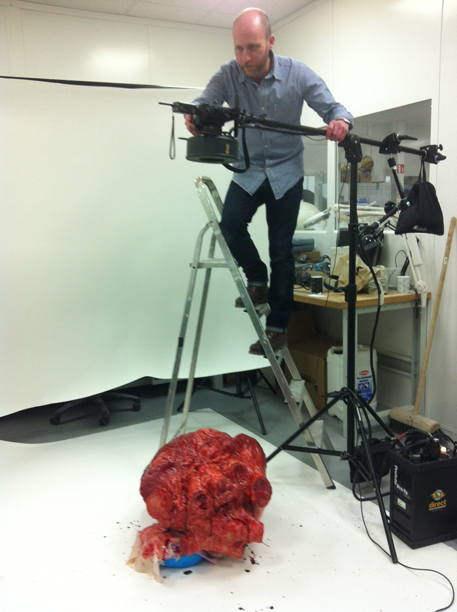
It’s not every day that I get a ‘phone call asking me to photograph a dinosaur, let alone one being cut up … but there’s a first time for everything.
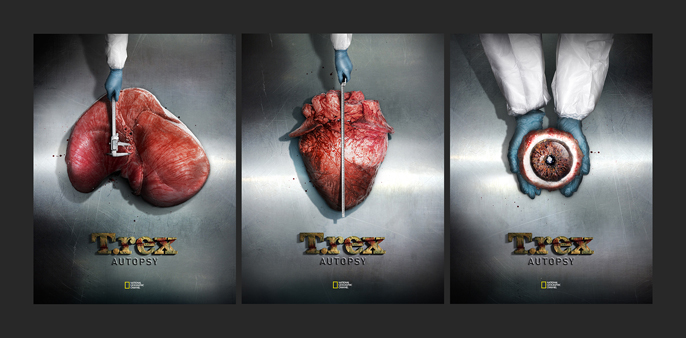
A couple of month’s ago, National Geographic Channels called and asked if I could do just that. The job, in two parts, was to photograph dinosaur ‘bits’ for the poster for the show and secondly, to photograph the unit stills. The ‘organs’ were crafted by the extraordinary Crawley Creatures company in Buckingham (responsible for models in Star Wars and a host of other screen productions) and photographed in their workshop which we (my assistant Tristan Fennel and I) converted into a makeshift studio. The client wanted a ring-flash to simulate a real forensic photography look to the images. Here’s the final poster and a set of various set-ups (with and without models and props) and one of me checking exposures and trying not to fall off a ladder.
And a gory one from the three days at Pinewood Studios with everyone knee-deep in (fake) blood.
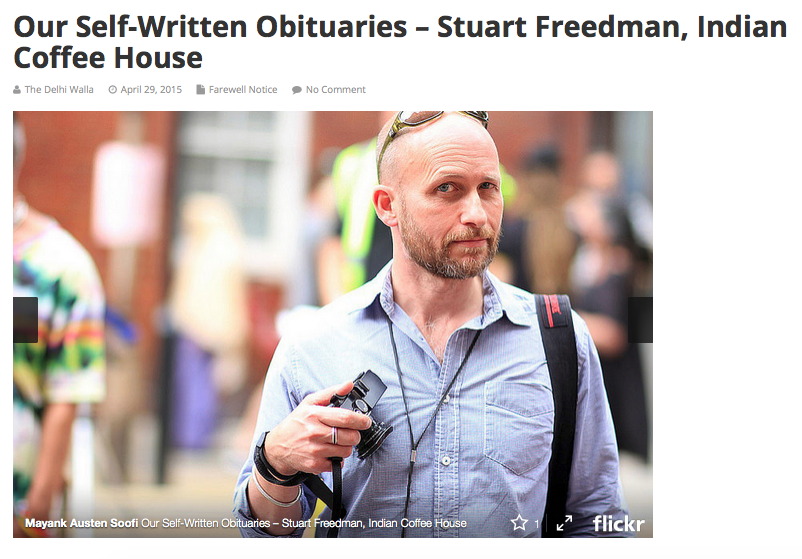
As a long time reader and follower of Mayank Austen Soofi, the Delhi flâneur, writer and photographer I was delighted, if rather daunted, when he chose me to write my own obituary as part of an occasional series on the city. It was, I must say a rather strange and sobering assignment but you can read all about it by clicking on the photograph below…
In 2013, I made a story about the now sleepy town of Chandannagar on the banks of the Hooghly River near Kolkata.
Chandannagar (or Chandernagore) was first established as a French colony in 1673 when the Nawab of Bengal gave permission to establish a trading mission. By 1730 when Joseph Francois Dupleix was appointed governor, Chandannagar had more than two thousand brick built houses and was the main European entry to the subcontinent. The British East India Company inconveniently flattened a good deal of it during its capture in 1756 but returned it to French rule in 1816. It was governed as part of France until 1950 when the inhabitants voted to join with the newly independent India.
As part of my story, I wandered into the Institut de Chandernagar, now a museum that was the original governor’s palace. Inside, amongst Colonial French artifacts, I found a mystery – and one that I found very moving and upsetting.
Here is what I wrote:
“In another dusty room a harpsichord gently decays, its keys like broken teeth, watched over by a small bust of a stern Napoleon. In a case, the last French flag, dirty and a little tattered. Dupleix’s own bed is enormous but deeply uncomfortable looking. Time has stopped here and moulders in the sticky, wet heat. Perhaps saddest of all, the shattered spectacles of Dr J N Sen MB MRCS Private West Yorkshire Regiment and a son of Chandannagar, killed in action on the night of 22/23rd of May 1916 in France. His, the dubious honour of being the first Bengali to do so. Why he was fighting for a British regiment is a mystery but how sad to die so far from the verdant splendour of the steamy jungle and the smell of jasmine oil in a woman’s hair.”
I had quite forgotten about this until this morning when I heard a short piece on the BBC Radio 4 programme, Today (if you listen it’s at 02:53:51) where Santanu Das (a reader in English at King’s College London) explains why Dr Sen was there. There is also a piece here from BBC Leeds published a few days ago that reports the story.
I remember standing there in the heat of the room feeling so utterly moved by the spectacles that I didn’t take a photograph but just jotted some words down and had to leave.
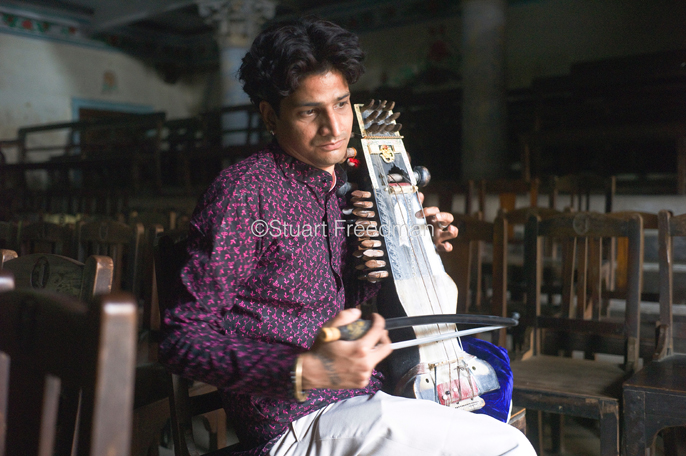
Here are some images from the story. The last frame shows the talented musician Umesh Mishra, playing his sarangi during a practice session for a concert he was giving that night in the town.
Perhaps that might be a fitting visual requiem for Sen.
India – Chandernaggar – Traffic passes the gates to the town of Chandannagar bearing the French inscription, Liberte, Egalite, Fraternite.
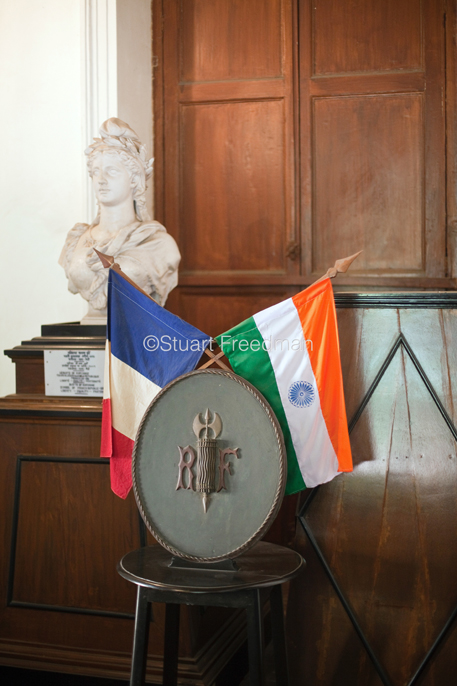
India – Chandannagar – A flag and a bust in the museum at Chandannagar, originally the home of Joseph François Dupleix who was appointed governor of the city in 1730.
India – Chandannagar – A statue of Liberty outside the museum in Chandannagar, originally the home of Joseph François Dupleix who was appointed governor of the city in 1730.
India – Chandannagar – Umesh Mishra, 26 a sarangi virtuoso tunes his instrument before a concert later that night at the Nrityagopal Smriti Mandir