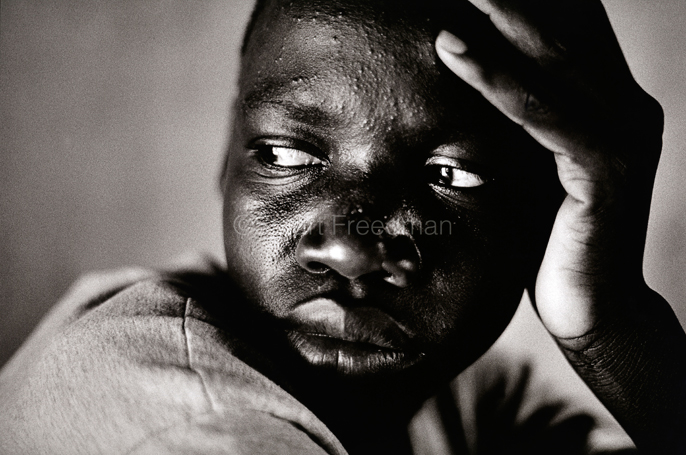
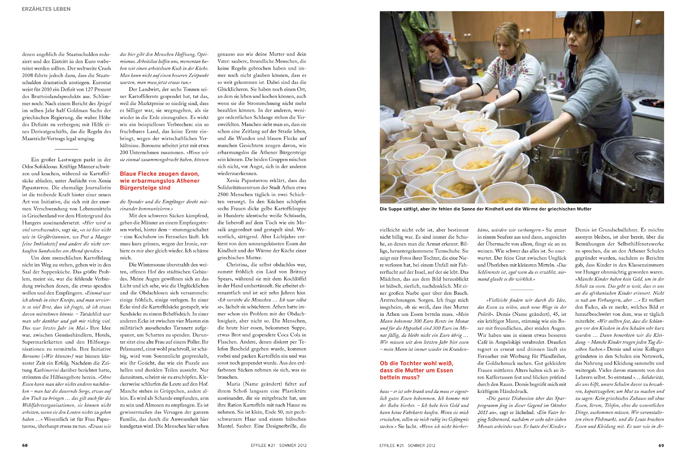
Here is a spread of my work – text and images – for the German magazine Efillee about the current situation in Athens.
I will post the full 6000 word text to my website shortly.




 Umbra Sumus
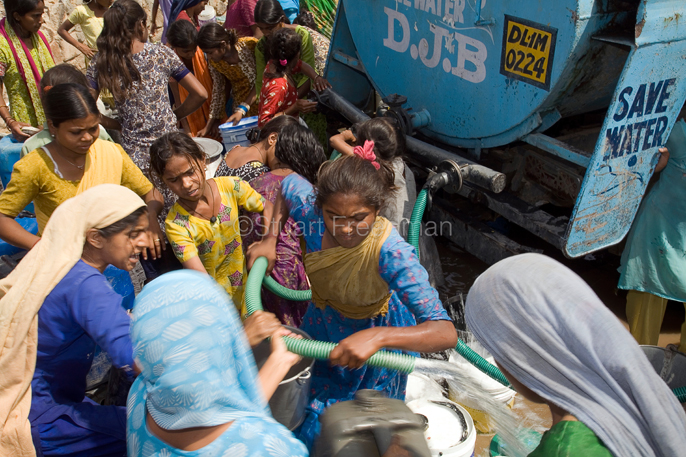
As Delhi labours under relentless 45 degree heat, the availability of water is as ever, a battleground. According to India Today (quoting an investigation by The Mail) reporters have uncovered a nexus of corrupt Delhi Jal Board (the local authority that looks after water in the city) employees and private tanker operators offering water for sale at inflated prices. Delhi, like many Developing World cities has a particularly rickety infrastructure when in comes to water supply. Illegal drilling of underground aquifers and horrendous pollution mean that at the best of times water supply is erratic. Add in seemingly endless low-level corruption and you have a perfect storm. I made a film about Delhi’s water wars a couple of years ago for Channel 4. You can see it here. As I said at the time, for the middle classes, access to water is an expensive and miserable inconvenience but to the poor and the slum dwellers, it is literally a daily fight. As my images show…



Some weeks ago I was invited by the Dart Centre, an extraordinary resource for journalists who cover trauma in their work, to participate in a long weekend retreat in peaceful hotel the English countryside. The Dart Centre is a project of the Columbia University Graduate School Programme and seeks to promote best practice in the fields of reporting and understanding of trauma, human rights and conflict world wide. I was accompanied by a lovely group of very experienced journalists from amongst others, the BBC, Channel 4, Al Jazeera, The Sunday Times and The Associated Press. It was an honour to be part of this and my thanks to Dart for inviting me on such an informative and helpful weekend.
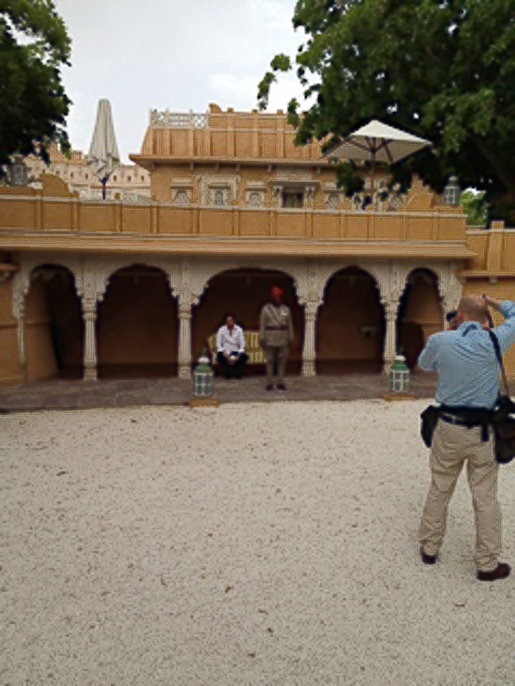
My special thanks to my colleague Lefteris Pitarakis who kindly provided an image of me during my presentation talk.

Delighted that at least some justice has been served today for the people of Sierra Leone and Liberia after Charles Taylor was found to have “aided and abetted” war crimes” by a United Nations-backed tribunal in The Hague.
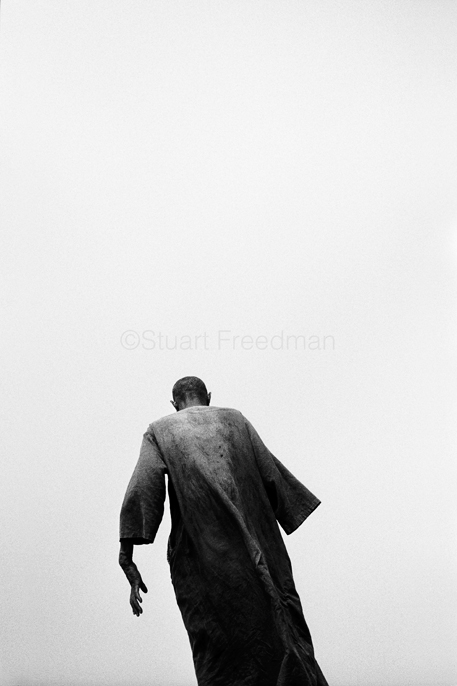
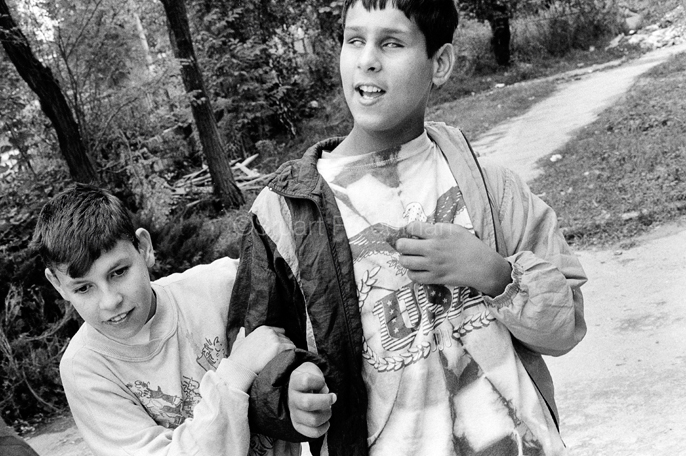
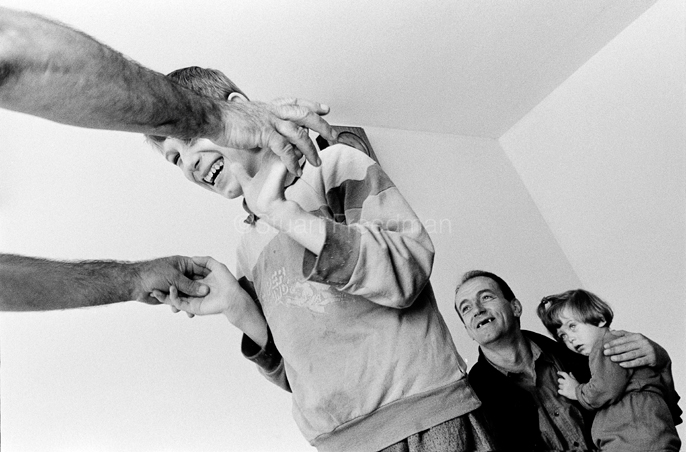
Today marks the twentieth anniversary of the start of the war in Bosnia. Cities, like people can produce strange feelings in visitors – leave tiny traces of discomfort and Sarajevo always struck me as being a little odd; a little schizophrenic… of course I never knew it before the war as a place of civility and culture. The work I made there was always conditioned by conflict but I thought I’d take this opportunity to show a small selection of work from the city taken almost a decade apart that show two different sides. The work from 1997 was made as I’d just returned from a near fatal trip to Sierra Leone and I came back to a landscape of a bitter and fragile winter. I remember the dark coffee and the sleet, the ominous surrounding mountains and the deep, jagged gouges in the buildings – and in the people. I photographed the Blind School, devastated by shelling but trying slowly to come back to life. I photographed children learning to use their canes on a path that the instructor, Borko swore was surrounded by unexploded ordnance. It made the children – and me – very diligent. A decade later I came again in better weather and better spirits with an old friend of mine from Delhi, the critic and writer Meenakshi Shedde to make a story on the Sarajevo Film Festival. Clearly, for me and the city, most of our visible scars had healed.




I’m coming late to this because I’ve been away but…
The Kony 2012 project is a film that ‘seeks to make Joseph Kony famous’ and in doing so, expose his deeds to a wider world. All very laudable but the entire thing makes me feel deeply uncomfortable. Certainly, exposure for such dreadful stories are generally to be welcomed however this enterprise bears all the hallmarks of an emotionally manipulative Hollywood fantasy that a crazed warlord just appeared from nowhere. I’m all for people changing the world but perhaps we might have prequel (I’m not sure that’s a word either) explaining exactly how something as awful as Kony came about. Perhaps we might talk about how Kony fits into the post-Amin world of Acholi politics (Kony’s early pronouncements on Museveni and his ‘Tutsi empire’); we might talk about disengagement in American Foreign policy in the nineties in Africa shaped in part by the New Barbarism thesis. We might talk about the allegation that the Ugandan security forces had an incentive to keep the war going to keep themselves in power. We might also talk about how the discovery of potentially billions of dollars worth of oil has made (especially) the US sit up and look at how the situation might be pacified.
Crucially we might try and work out why the film makers are doing this now when in fact the LRA aren’t currently operating in Northern Uganda. A cursory glance at the African and NGO press show that people who have worked in Northern Uganda on development and reconstruction are generally surprised; this story has moved on (and that’s not to deny the suffering involved). Not only that, they are arguing that efforts should be made to rebuild and that rather than these children being ‘invisible’, they are, certainly to people like Glenna Gordon (the author of the notorious and extraordinary photograph of Russel, Poole and Bailey holding weapons) and others who knows the situation, ‘pretty visible’. It is certainly true that this story was difficult to place in the mainstream media – although that didn’t stop a stream of Western photographers in the early 2000’s going and photographing the ‘night commuters’ as the children were called. In that respect the film certainly manages to circumvent traditional media outlets that wouldn’t want poor African kids getting in the way of their advertising. My point though is that if you want to defeat something, you have to understand it. And that is where this film, devoid of a good deal of context and seen through the distorting sentimental prism of a well meaning white film maker and his child (At 07:35 the white narrator says that ‘we are going to stop them’) falls down very badly indeed.
Something strikes me as deeply patronising in portraying this as a fight between good and evil. I spent a few years in Africa in the late 1990’s trying to make the point that the perpetrators of disgusting violence in the guise of child soldiers – were as much sinned against as sinning. An attempt – however flawed – to expose the mental landscape/legacy of exactly these situations of Post Colonial devastation that led to the rise of people like Kony and Taylor and Sankoh rushing in to fill a space that the State could not (or didn’t want to) hold.
I’m sad to relay to those people urging others to be ‘awesome’ and blindly support this campaign that if we blunder in, as well meaning as we might be, we might just make this situation worse. If a generation of American youth think that by capturing Kony and giving him up to the Hague, we can sort this out they are very much mistaken. Doesn’t that sound like the warnings that we were fed about the ‘madmen’ Saddam Hussein and Osama Bin Laden? And didn’t that turn out well? Kony is clearly a product of the political situation in Post Independence Africa. You deal with that by dealing with the ramifications of poverty, politics and corruption. If you take away the justifications for Kony, you take away his legitimacy and his means of survival. And no, that isn’t as sexy and as easily reduceable to sound-bite length for the YouTube generation – but maybe that means the YouTube generation is the one that needs to remove itself from the tit of ‘info-tainment’ and decontextualised explanations. Ugandans aren’t stupid – they aren’t waiting for the White man to come and save them – they are, against very great odds trying to save themselves. They just need the tools to do that without people either exploiting their country or their situation.