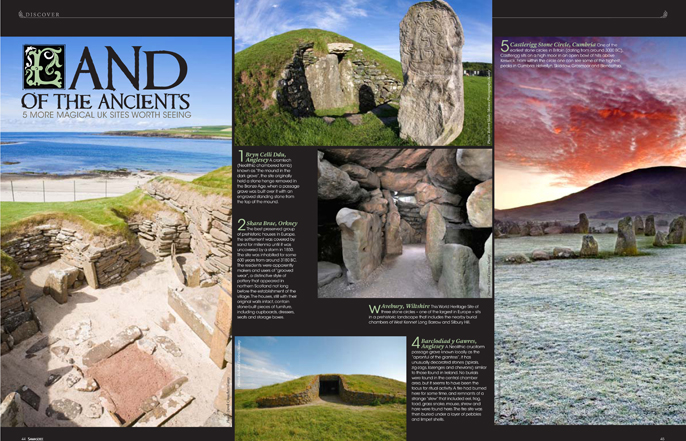
Here’s a recent portrait assignment for the French magazine L’Express in London. A very interesting hour chatting with British Arabist author James Barr.

 Umbra Sumus
Here’s a recent portrait assignment for the French magazine L’Express in London. A very interesting hour chatting with British Arabist author James Barr.
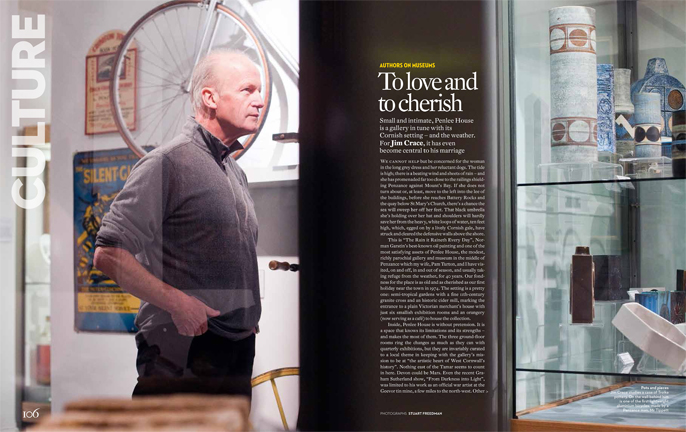
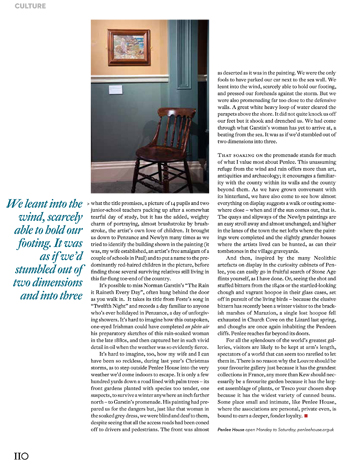
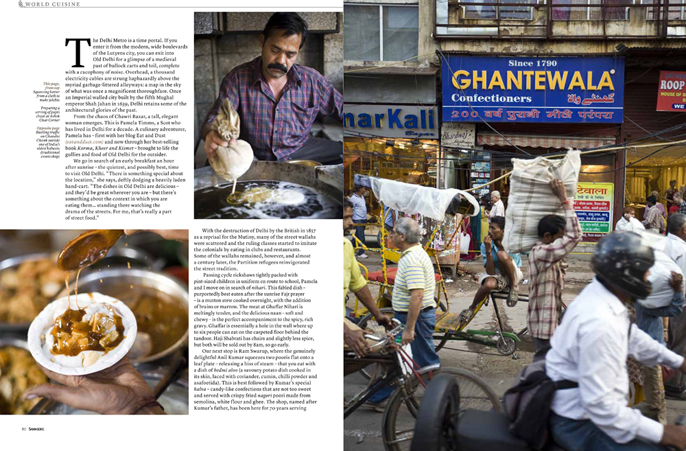
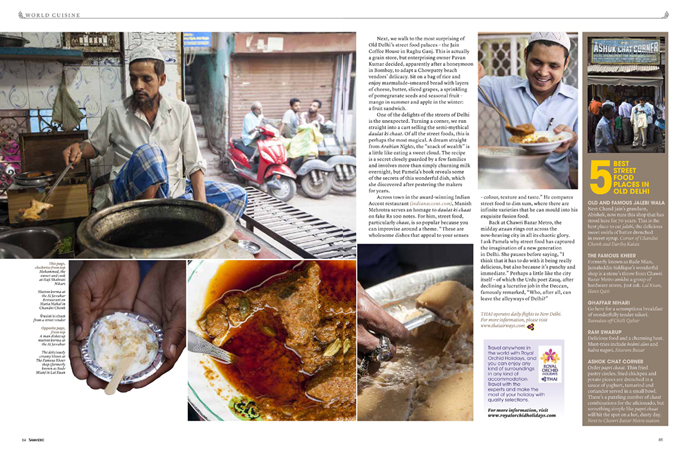
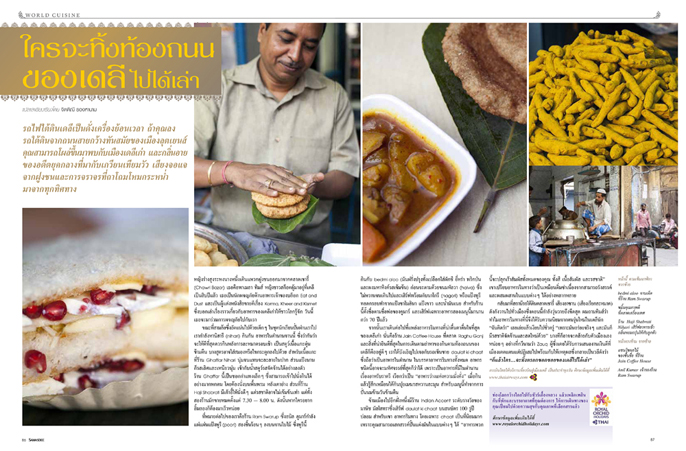
Here’s a recent tear from a story that I wrote and photographed about Pamela Timms‘ new book on Delhi street food – Korma, Kheer and Kismet.


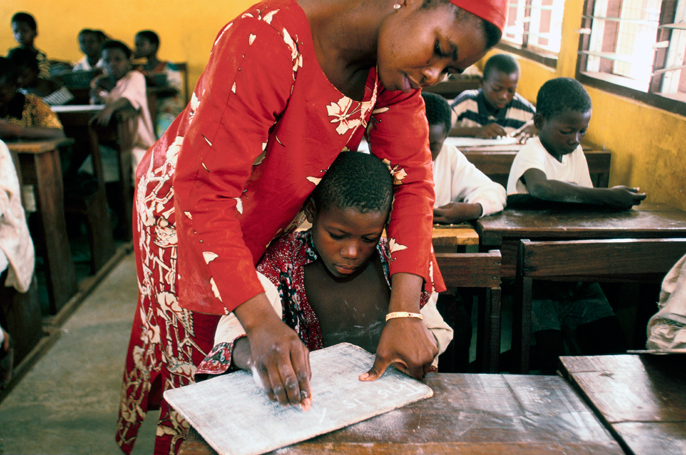
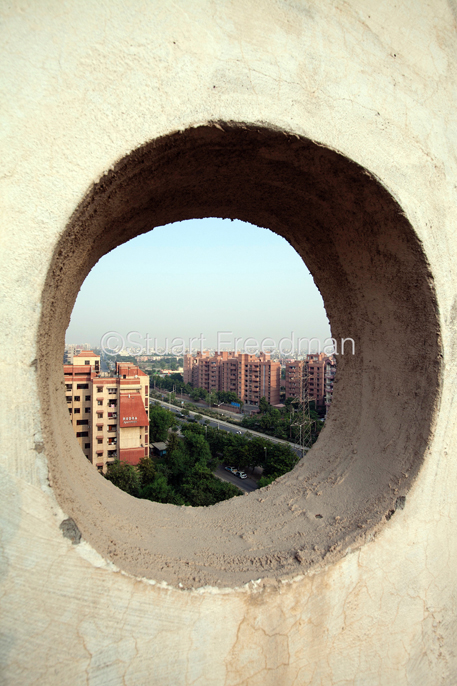
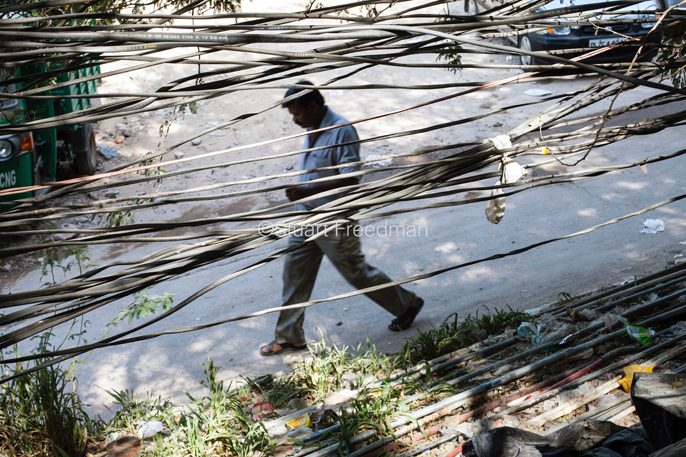
Some assignments are straightforward, some take a bit more thought. When the London School of Economics assigned me to photograph Delhi for their global cities conference I was delighted but also slightly nervous.
The brief was to image the city illustrating the difficulties of living in and governing India’s sprawling, chaotic capital. My preference is always to try and make beautiful pictures – but trying to marry that with an exacting shoot list that focused on academic concepts was always going to be challenging. It was however, the shoot list (and my drivers and assistants – notably the ever-cool Sunayana) that saved me. I’m always talking about the importance of scripting what you shoot and this was a perfect example of how it can really help. This wasn’t an assignment about what I wanted to show of Delhi or interpreting the city – but clearly illustrating issues that affect it. In fact, it was a very interesting way to work – trying to find places or people that evidenced concepts as diverse as public/private space and illegal adaptions of utilities.
Born and brought up in London, I’m fascinated by cities and the way that they develop and change and Delhi for me has been a kind of surrogate city – a sort of prism through which to view myself and see how metropolises (and I dare you to find the correct plural of metropolis…) evolve and change. Delhi, like London is palimpsestic in that cities have been built on top of cities. I can walk through any number of places in Delhi and find the exact same things that Dickens wrote about for example – the very foundations of a modern industrial world – but I can also find something much older – the Vedic prayers intoned by people still worshipping on the banks of the hideously polluted Yamuna.
One of the highlights was returning to Kathputli Colony that I’ve written about before and making work with the people there trying to save their homes and way of life. I was delighted to be re-united with the singer Bhagwan Das and it is his wife Sarbati that’s shown at the end in the last picture here at the conference in front of a giant poster and on the cover of the magazine.
Here are some of the images that I made.


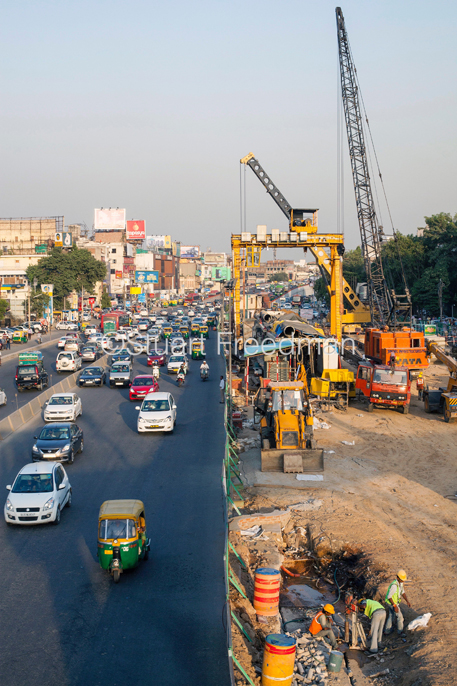
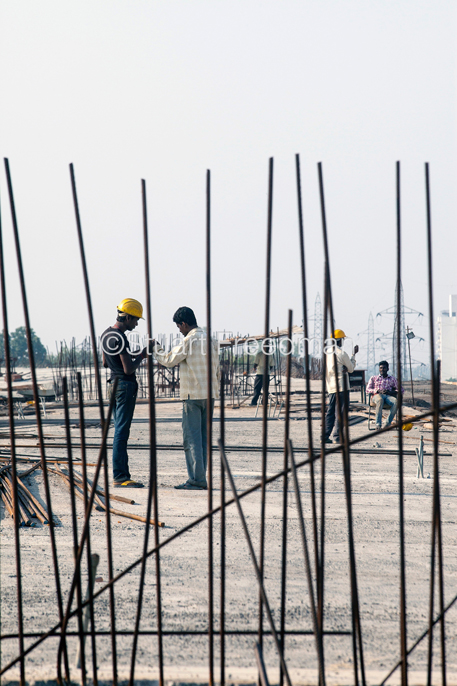
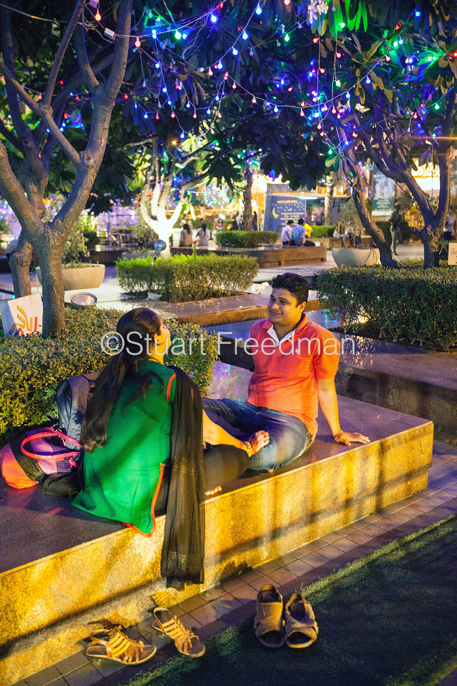
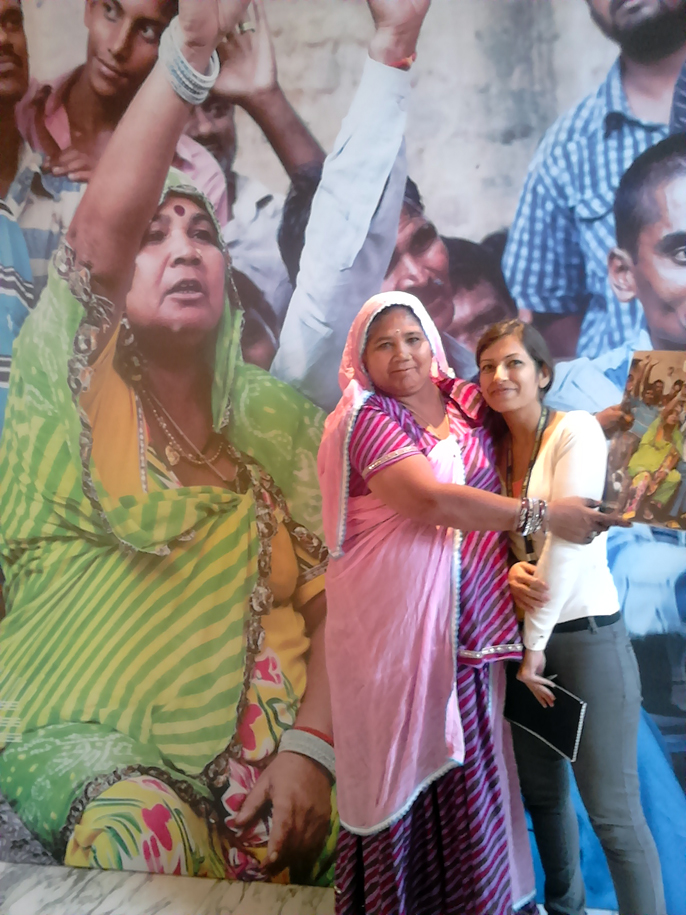
Delighted to discover story I shot on Kolkata last year just won Gold at the US based Content Marketing Awards . The winning entry – Best use of Photography – was for the Thai Airways Magazine Sawasdee for whom I wrote and photographed Kolkata’s iconic Coffee House (the tear sheet is ). Here’s an image from the set.

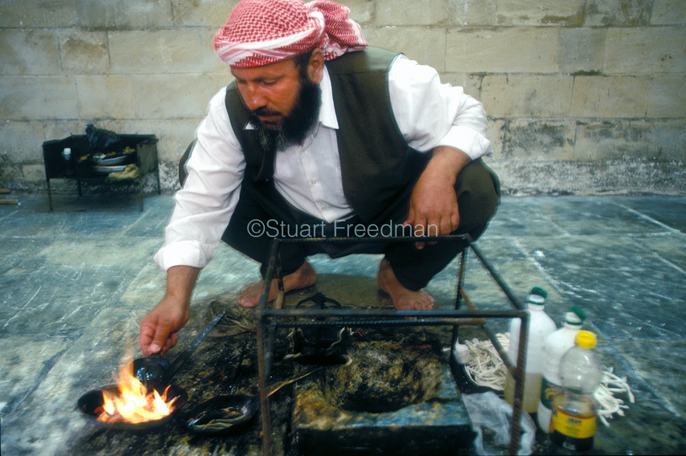
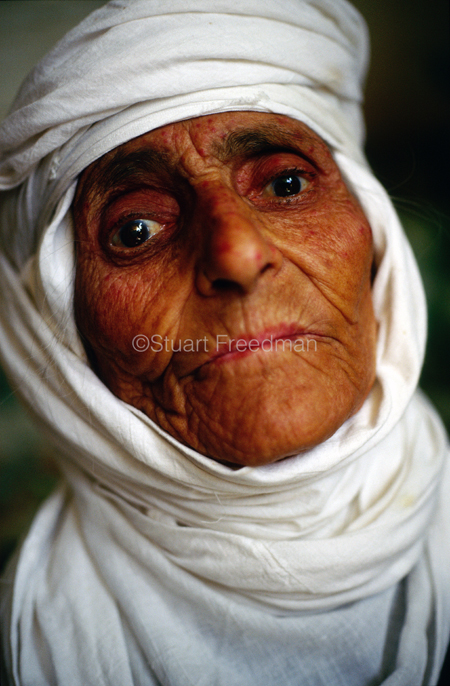
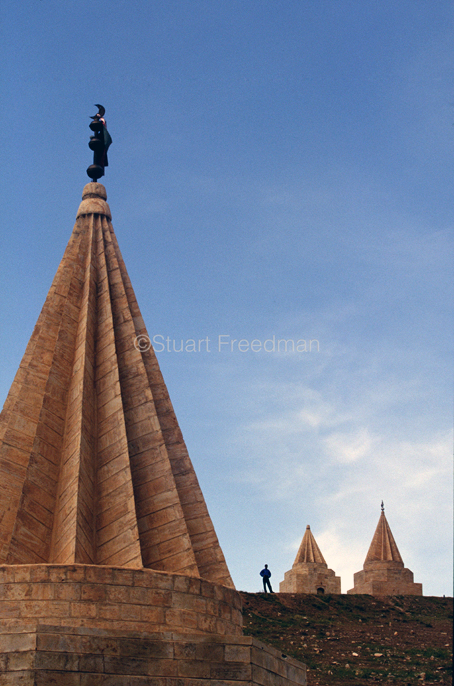
A dozen years ago I made a trip to Iraq in the company of writer Jonathan Glancey for a cover story for the Guardian Magazine. I’ve worked there a few times, but on this occasion we were trying to record the layers of civilisation, preserved as if in aspic under Saddam, that were about to be destroyed by the onslaught of NeoCon wars. By sheer luck we managed to travel the length and breadth of the country (albeit with very nervous security) from Basra in the South to Mosul up north. That is where I photographed (all too briefly) a nervous Yezidi community – a living link to a much earlier Assyrian culture religiously linked to Zoroastrianism. It seems so much that I photographed on that trip has now been destroyed or brutalised. Baghdad, Babylon, Basra, Shia shrines, the ziggurat at Ur, the mosque at Samarra – the list goes on. All broken in the name of a privatised campaign of Imperial plunder. The more I look, the more the work becomes an historical vault of how things were and, like a glance back to the past in a cracked mirror, how they will never be again. Which brings me back to the last remnants of the peaceful Yezidi community exposed and dying on a mountain surrounded by Gulf-backed, anti-Shia jihadis dreaming their fantasies of an empire of blood and slaughtering their way back to a new age of darkness. This Caliphate now ‘rules’ over at least six million people and is consolidating its positions, not imploding despite the West’s best hopes. As I wrote in 2010 about the US ‘withdrawl’ from Baghdad, “The war, born of a lie, born of greed and evil has been a disaster for America and for the world”. Not that the architects of that Crusade will care of course, neither will they spare a thought to the inevitable carnage on Mount Shingal.
(https://www.blog.stuartfreedman.com/2010/08/iraq-inc-or-how-a-withdrawl-is-really-not/)
I’m quite a traditional photographer. To the surprise of many who see me working, I still expose my digital images the way I shot transparency film: carefully and with a hand-held meter. In this way, I’ve always had a problem with photographers that shoot real life and then work on their files afterwards to create a different, almost hyper reality. For photojournalists I find this very difficult to deal with and, as I’ve said before, I believe it can create a serious problem of authenticity and voracity. I find myself however at a stage of my career where I want to learn new things. I also find myself increasingly shooting personal projects with an eye to more commercial markets. Recently I’ve been trying to learn how to create a look that I feel happy with and that I can manipulate for a new project (that’s under wraps for now). After some deliberation and a lot of help from my friends – I have something I’m happy with. This may not be a very big step for some – very old hat to some people – but for me it’s an enormous one.
And it’s always good to learn something new. When was the last time we can honestly say that we have?
I won’t be shooting anything serious like this (in the sense of documentary work) but I may change and evolve a new process to reinvigorate things a bit on another front. Old dog/new tricks. Here’s one I made earlier.
What do you think?
before

and after

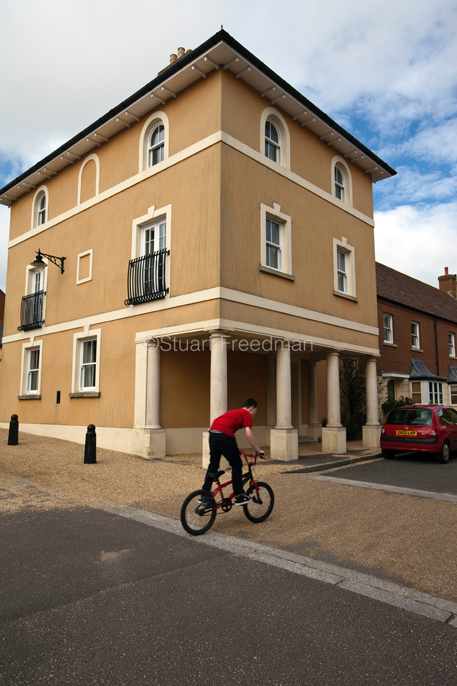
Britain has a housing crisis. The Queen’s speech yesterday underlined the current government’s commitment to develop Ebbsfleet as a Garden City – an idea ironically propounded in the early twentieth century by the Socialist-leaning Ebenezer Howard in Letchworth.
A year or so ago, I wrote a piece for a special edition of the German Magazine, Brand Eins (Brand Eins Wissen) where I traced the history of the British planned communities from the earliest industrial worker’s housing to Prince Charles’ architectural monstrosity, Poundbury. The piece, The Strange Death of the British Utopia (or how Britain lives in her own past) can be found on the writing section of my website here.