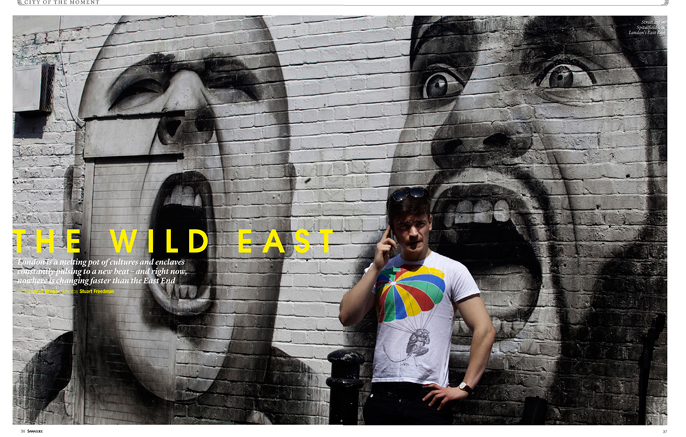
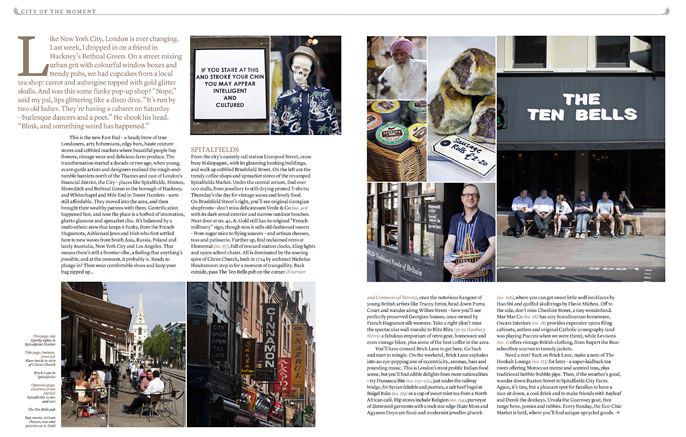
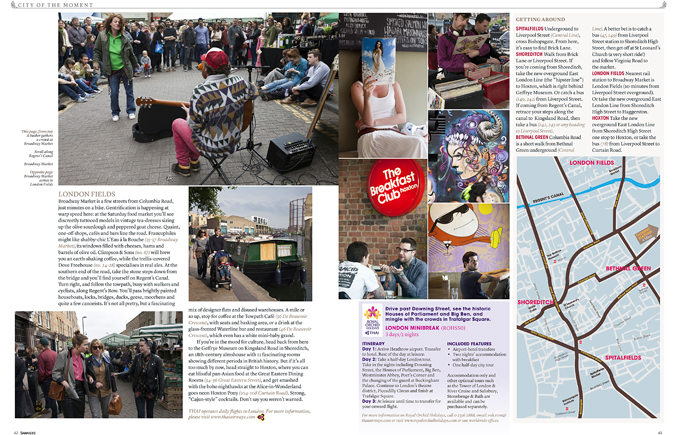
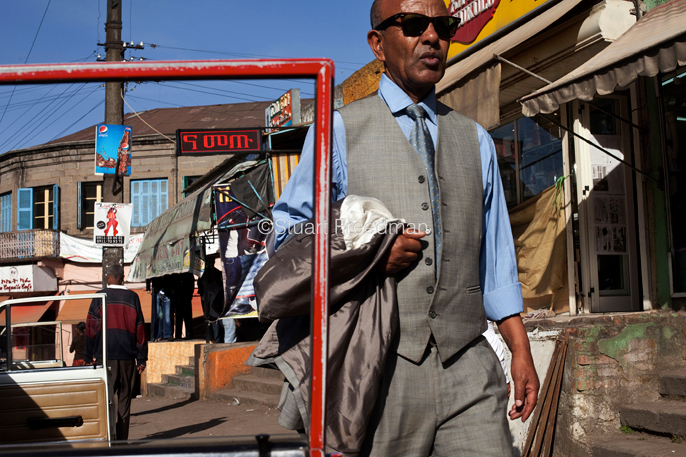
A couple of hours walking the streets of Addis Ababa.
Looking for colour.
Making images for the sheer novelty of it.
The light of an African afternoon.


 Umbra Sumus
A couple of hours walking the streets of Addis Ababa.
Looking for colour.
Making images for the sheer novelty of it.
The light of an African afternoon.
I’m in Addis Ababa for the first time in eight years on a writing job but stumbled across a beautiful place seemingly frozen in time. If you’ve read this blog before you’ll know of my obsession with the Delhi Coffee House and all those sadly missed palaces of melancholy, the Classic London Caff.
It’s always a pleasure to stumble on a place like this – officially known as the Ras Mokonnen Pastry shop in Piazza – especially when I can’t find any mention of it online. The elderly owner, Mr Lubo tells me he bought it from a Greek man ‘about thirty five years ago’. He’d had it for at least ten years before that and he wasn’t the first owner…
Perfect macchiato, perfect baklava. A moment in time that I wasn’t expecting to find.
Many thanks to my excellent translator, Lily, (Simegnish Yekoye) not least for putting up with my excitement…
You can find it in Piazza – there’s no sign…

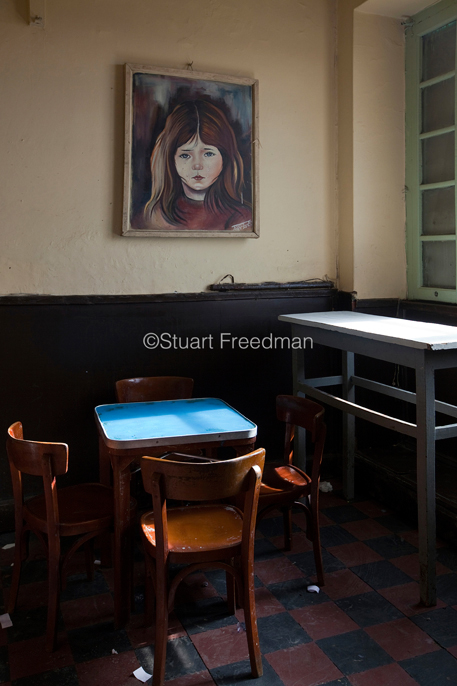

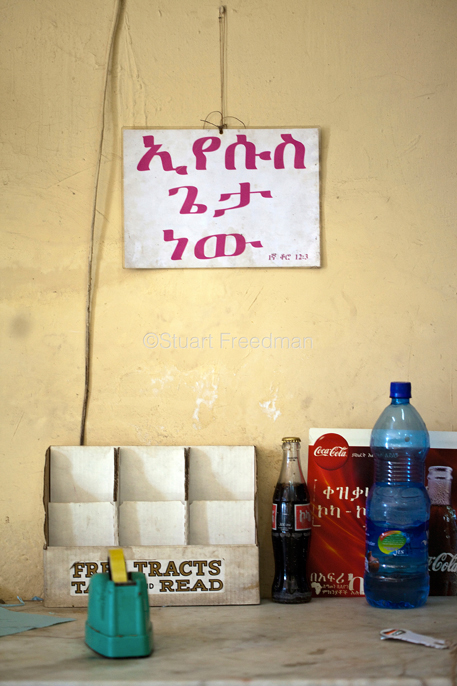
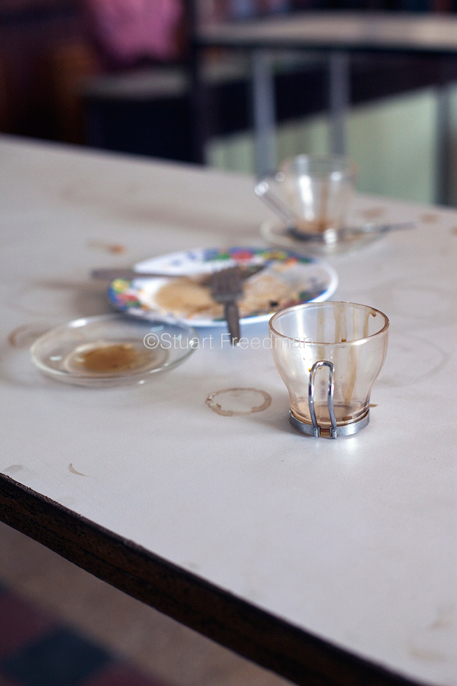

Delighted to be featured again on the EPUK showcase with some work from Delhi that will be shown at the Amnesty Festival in Jersey as part of my exhibition, The Art of Getting By

It’s with great sadness that I read of the destruction of parts of Aleppo in the fighting that has engulfed Syria. Tragically, the Souk, a World Heritage site, has been badly damaged. It is almost ten years to the day that I photographed Aleppo on assignment for British Airways Highlife Magazine. I liked Aleppo – and indeed Syria – very much. The Baron Hotel was then a decaying but beautiful nod to a more glamourous and decadent past while the Souk was dark, mysterious and wonderful. I still have a bar of olive oil soap from a stall there and as I smell it now, Aleppo comes back to me.


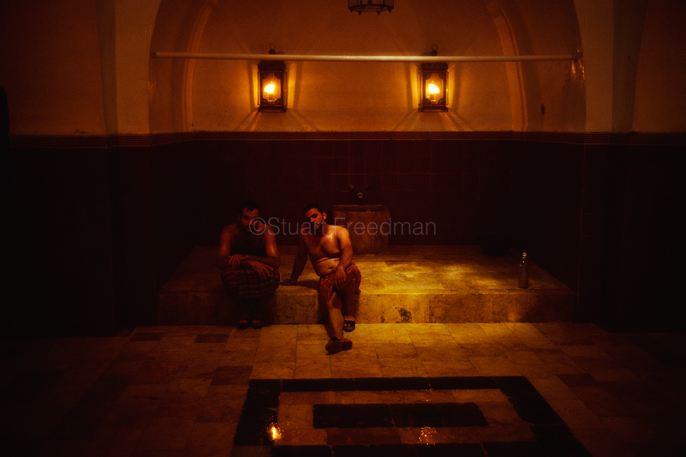


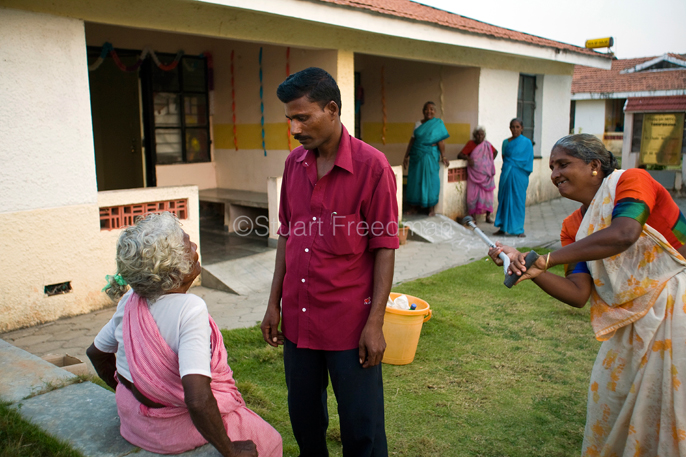
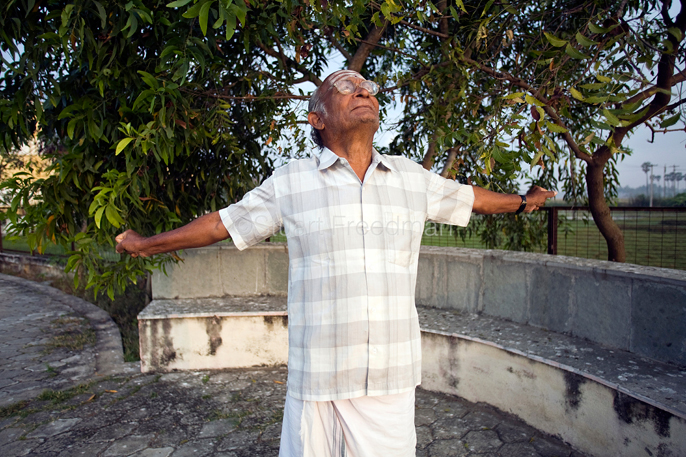
I have, for a long time been photographing around aspects of a changing India. These images, currently being syndicated, show a gentle side of a huge demographic change in that country. It is estimated that by 2020, the elderly population in India will nearly double to 150 million people. Better medical care and low fertility rates have made the elderly the fastest growing section of society. New wealth and urbanisation are starting to erode the foundations of traditional values and kinship. Today fewer than 40 percent of Indians live in so-called “joint families” where brothers share the family home with their parents even after they are married. In a country where only 10 per cent has any form of pension, “old people have to work till they die” says Mathew Cherian, Help Age India’s chief executive. Even specialised medical care is rare, as India has only two medical colleges in the entire country teaching geriatric care. After the Asian Tsunami, HelpAge India set up a pioneering experimental scheme called the Tamaraikulam Elders’ Village (TEV) in Tamil Nadu that initially cared for elderly people displaced by the tragedy. Today, the village is a self-sustaining community providing a family environment where more able-bodied residents assist the less able-bodied. The village provides 100 older people with a safe place to live, free healthcare, emotional security, a good diet and professional support.
I was fortunate enough to visit for a few days and make some work there. Work that for personal reasons has an enormous resonance for me.
Despite great effort (especially on the part of Jon Jones at the Sunday Times Magazine) they remain unpublished. Of all the stories that I have shot over the last few years, I really want to see this run somewhere: not because my images are so wonderful but rather because of what they show and the issue that they address.
My agency, Panos is syndicating a 35 image set that can be viewed here.
Here are seven of my favourites.



I’m very pleased to announce that my website has had a refresh. There’s an improved and reordered navigation down the left hand side showcasing an updated Commercial section (that now includes images from the Non-Profit sector and imagery from recent jobs) and a restructuring of my Travel work divided into two clearer sections.
There are also some new stories in the New Work section – a set from Kashmir on the Wazwan (more about that soon) and one on the new East End.
I hope you enjoy the update(s).

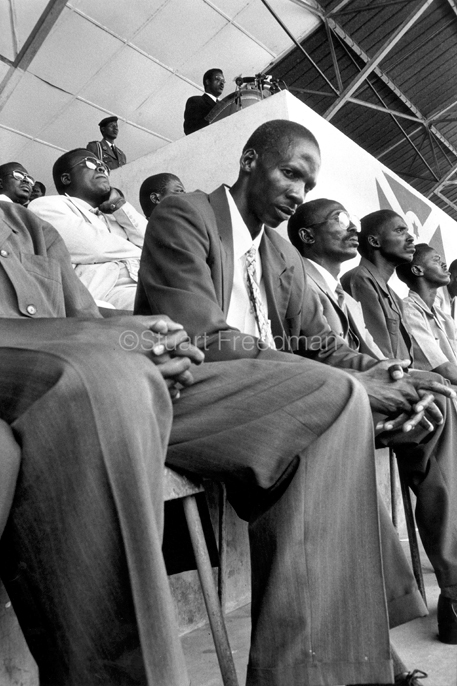
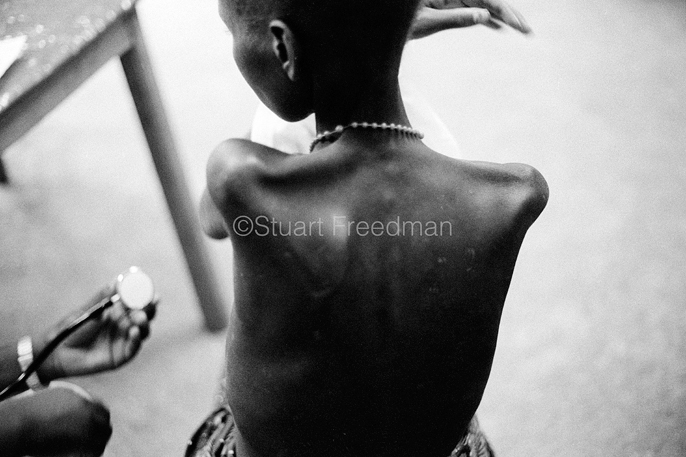
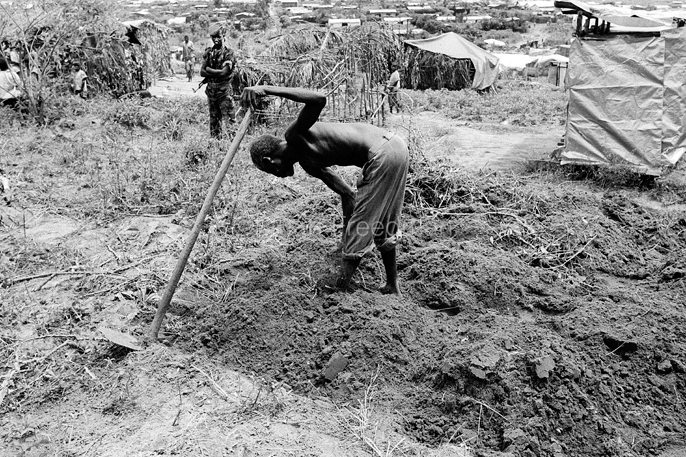
I read with great regret a small piece from the Economist that tells of a ‘souring mood’ in the tiny African country, Burundi. It seems that opposition forces have again taken to the hills after around three hundred of their number have been killed since July and dozens arrested. Much of this goes back to the 2010 election which, despite the International community declaring reasonably fair was greeted by anger from the forces opposing President Nkurunziza. I worked several times in Burundi during the last twelve years – assignments ranged from looking at the so-called Regroupment camps where the Tutsi government corralled Hutu peasants ‘for their own safety’ in appalling conditions (as part of a global series called The Politics of Hunger) to looking at the steps to reconciliation with the Bashingantahe councils. I also photographed and wrote about the extraordinary Marguerite Barankitse, The Angel of Burundi who adopted children of all tribes amidst the terrible violence of the Civil War. I fear that her heroism and devotion will be called on again.
On Monday, The Forces for National Liberation (FNL) leader Agathon Rwasa, whom Burundian authorities believe is hiding along with fellow combatants in the eastern Democratic Republic of Congo, called on Nkurunziza to step down. Reuters are reporting this as a declaration of war. I sincerely hope that they are wrong.