London School of Economics Cities Programme

Some assignments are straightforward, some take a bit more thought. When the London School of Economics assigned me to photograph Delhi for their global cities conference I was delighted but also slightly nervous.

The brief was to image the city illustrating the difficulties of living in and governing India’s sprawling, chaotic capital. My preference is always to try and make beautiful pictures – but trying to marry that with an exacting shoot list that focused on academic concepts was always going to be challenging. It was however, the shoot list (and my drivers and assistants – notably the ever-cool Sunayana) that saved me. I’m always talking about the importance of scripting what you shoot and this was a perfect example of how it can really help. This wasn’t an assignment about what I wanted to show of Delhi or interpreting the city – but clearly illustrating issues that affect it. In fact, it was a very interesting way to work – trying to find places or people that evidenced concepts as diverse as public/private space and illegal adaptions of utilities.

Born and brought up in London, I’m fascinated by cities and the way that they develop and change and Delhi for me has been a kind of surrogate city – a sort of prism through which to view myself and see how metropolises (and I dare you to find the correct plural of metropolis…) evolve and change. Delhi, like London is palimpsestic in that cities have been built on top of cities. I can walk through any number of places in Delhi and find the exact same things that Dickens wrote about for example – the very foundations of a modern industrial world – but I can also find something much older – the Vedic prayers intoned by people still worshipping on the banks of the hideously polluted Yamuna.

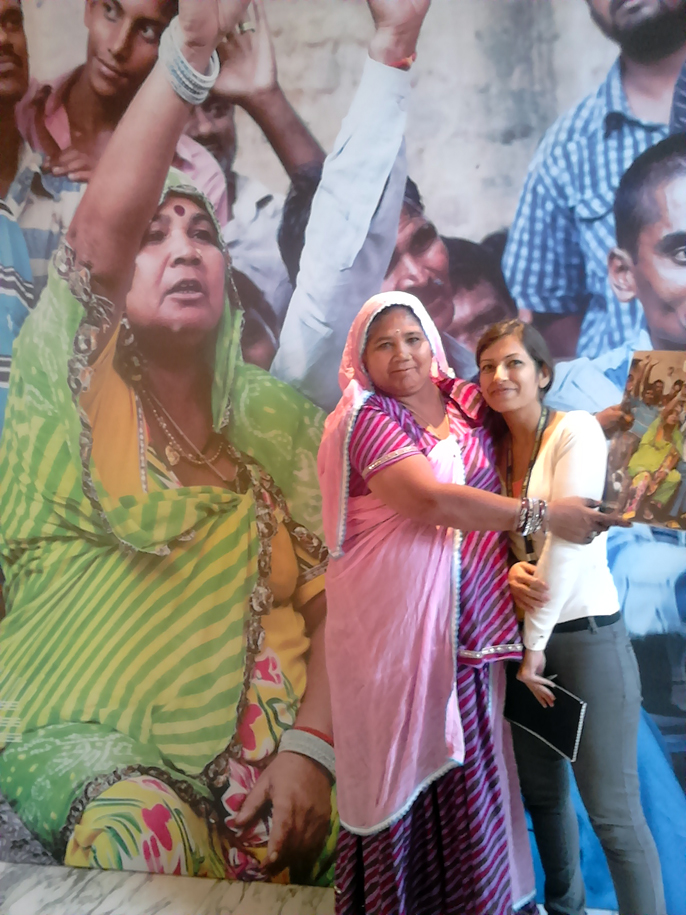
One of the highlights was returning to Kathputli Colony that I’ve written about before and making work with the people there trying to save their homes and way of life. I was delighted to be re-united with the singer Bhagwan Das and it is his wife Sarbati that’s shown at the end in the last picture here at the conference in front of a giant poster and on the cover of the magazine.

Here are some of the images that I made.
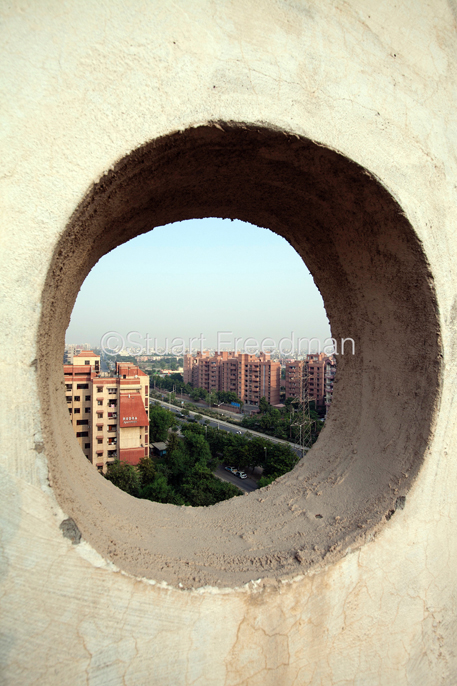


India - New Delhi - An overview of the city from an apartment block in Dwarka
India – New Delhi – An overview of the city from an apartment block in Dwarka


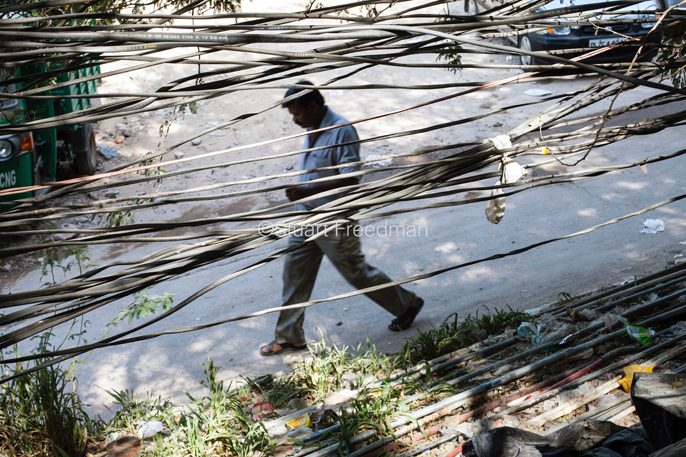
India - New Delhi - A man  seen through a tangle of illegal electricity and water cables in the Munika area.
India – New Delhi – A man seen through a tangle of illegal electricity and water cables in the Munika area.


India - Delhi - A local meeting of residents and activists at Kathputli Colony that is faced with destruction and closure
India – Delhi – A local meeting of residents and activists at Kathputli Colony that is faced with destruction and closure


India - Delhi - Crowds in Sadar Bazaar
India – Delhi – Crowds in Sadar Bazaar


India - New Delhi - Young people in make up perform a street dance on a road blocked to cars in a section of Connaught Place during a Raahgiri Day
India – New Delhi – Young people in make up perform a street dance on a road blocked to cars in a section of Connaught Place during a Raahgiri Day where traffic is halted and people take over the streets.


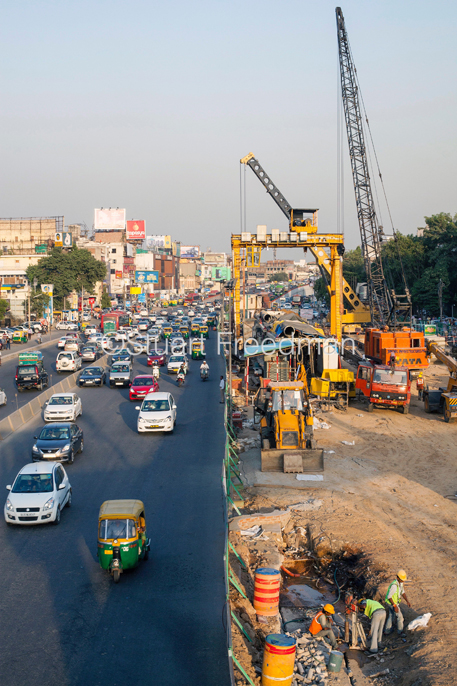
India - New Delhi - Traffic and Metro construction work at South Extension Market
India – New Delhi – Traffic and Metro construction work at South Extension Market


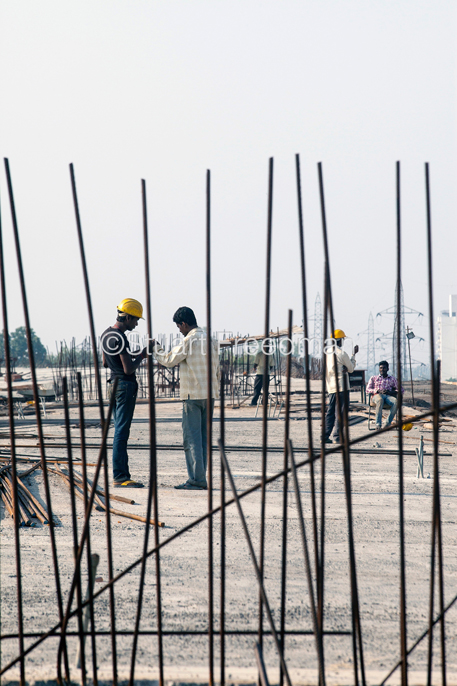
India - Delhi - Workers on the new footbridge over the Yamuna River
India – Delhi – Workers on the new footbridge over the Yamuna River


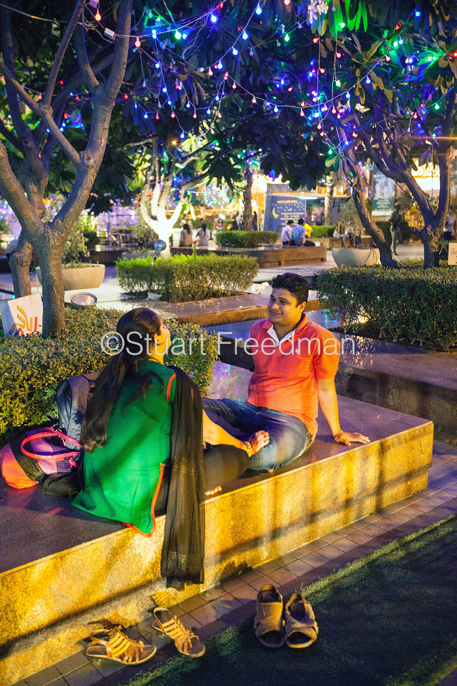
India - Delhi - A romantic couple sit in the gardens of the Ambiance Mall, Saket,
India – Delhi – A romantic couple sit in the gardens of the Ambiance Mall, Saket,


India - New Delhi - Sarbati Das from Kathputli Colony (in front of her cover image used as a poster at the LSE Cities Conference) and the excellent Sunayana Wadhawan
India – New Delhi – Sarbati Das from Kathputli Colony (in front of her cover image used as a poster at the LSE Cities Conference) and the brilliant Sunayana.

Yezidi


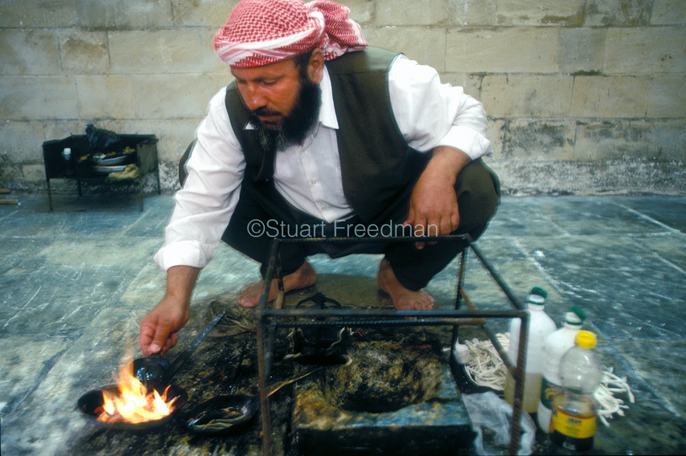
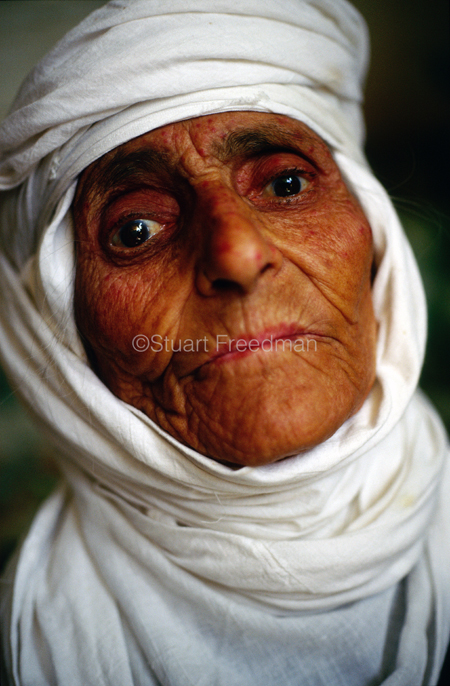
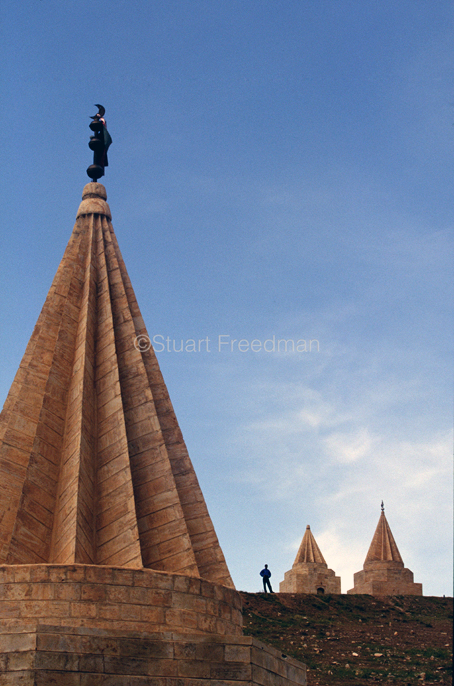
A dozen years ago I made a trip to Iraq in the company of writer Jonathan Glancey for a cover story for the Guardian Magazine. I’ve worked there a few times, but on this occasion we were trying to record the layers of civilisation, preserved as if in aspic under Saddam, that were about to be destroyed by the onslaught of NeoCon wars. By sheer luck we managed to travel the length and breadth of the country (albeit with very nervous security) from Basra in the South to Mosul up north. That is where I photographed (all too briefly) a nervous Yezidi community – a living link to a much earlier Assyrian culture religiously linked to Zoroastrianism. It seems so much that I photographed on that trip has now been destroyed or brutalised. Baghdad, Babylon, Basra, Shia shrines, the ziggurat at Ur, the mosque at Samarra – the list goes on. All broken in the name of a privatised campaign of Imperial plunder. The more I look, the more the work becomes an historical vault of how things were and, like a glance back to the past in a cracked mirror, how they will never be again. Which brings me back to the last remnants of the peaceful Yezidi community exposed and dying on a mountain surrounded by Gulf-backed, anti-Shia jihadis dreaming their fantasies of an empire of blood and slaughtering their way back to a new age of darkness. This Caliphate now ‘rules’ over at least six million people and is consolidating its positions, not imploding despite the West’s best hopes. As I wrote in 2010 about the US ‘withdrawl’ from Baghdad, “The war, born of a lie, born of greed and evil has been a disaster for America and for the world”. Not that the architects of that Crusade will care of course, neither will they spare a thought to the inevitable carnage on Mount Shingal.


Iraq - Mosul - A Yezidi priest lights a lamp in a religious service at a Yezidi temple. The Yazidis believe in God as creator of the world, which he placed under the care of seven angels the chief of whom is Melek Taus - the Peacock Angel. Speculation that worship of Melek Taus was worship of Satan (who fell) have resulted in Yezidi's being persecuted as 'devil worshippers' throughout their history and persecuted.
Iraq – Mosul – A Yezidi priest lights a lamp in a religious service at a Yezidi temple. The Yazidis believe in God as creator of the world, which he placed under the care of seven angels the chief of whom is Melek Taus – the Peacock Angel. Speculation that worship of Melek Taus was worship of Satan (who fell) have resulted in Yezidi’s – wrongly – being persecuted as ‘devil worshippers’ throughout their history and persecuted.


Iraq - Mosul - An old  Yezidi woman
Iraq – Mosul – An old Yezidi woman


Iraq - Mosul - A man stands by a Yezidi temple
Iraq – Mosul – A man stands by Yezidi temples


(https://www.blog.stuartfreedman.com/2010/08/iraq-inc-or-how-a-withdrawl-is-really-not/)

The Strange Death of the British Utopia


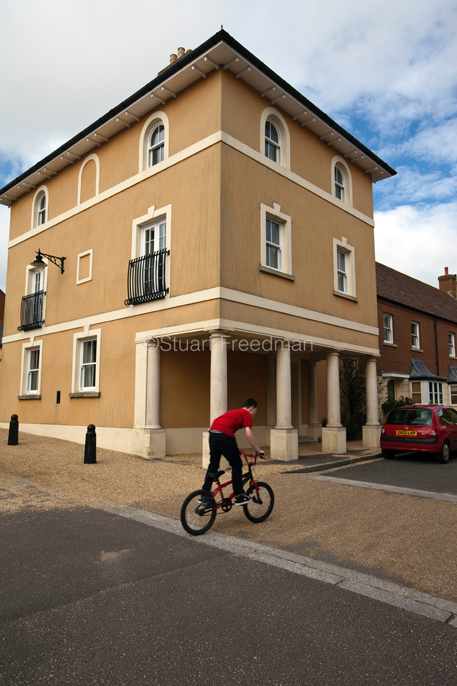
Britain has a housing crisis. The Queen’s speech yesterday underlined the current government’s commitment to develop Ebbsfleet as a Garden City – an idea ironically propounded in the early twentieth century by the Socialist-leaning Ebenezer Howard in Letchworth.

A year or so ago, I wrote a piece for a special edition of the German Magazine, Brand Eins (Brand Eins Wissen) where I traced the history of the British planned communities from the earliest industrial worker’s housing to Prince Charles’ architectural monstrosity, Poundbury. The piece, The Strange Death of the British Utopia (or how Britain lives in her own past) can be found on the writing section of my website here.


UK - Dorset - A boy rides his bicycle past a traditionally styled building in Poundbury. Poundbury on Duchy of Cornwall land is Prince Charles' attempt to create an urban extension to Dorchester famed for Its pastiche of traditional architecture.
UK – Dorset – A boy rides his bicycle past a traditionally styled building in Poundbury. Poundbury on Duchy of Cornwall land is Prince Charles’ attempt to create an urban extension to Dorchester famed for Its pastiche of traditional architecture.

The end of the Ambi


What a shame. It seems that production of the Ambassador, the first car to be made in India, has been halted. Hindustan Motors said it had suspended work at its plant outside the city of Kolkata, blaming weak demand and financing problems. There was always something reassuringly sturdy about bouncing along Indian roads in one. Never the most comfortable of cars but you could always reckon that a roadside mechanic would be able to bash, bend or replace something that had broken… Here’s a frame of a garland hanging from a mirror in one I hired in Tamil Nadu a few years ago…


India - Swamimalai - A garland of flowers hang from the mirror of an Hindustan Ambassador  car in the town of Swamimalai, Tamil Nadu, India.The car, based on a Morris Oxford has been in production since 1948 and is considered as a definitive Indian car and is fondly called "The king of Indian roads" and nicknamed the 'Ambi'..
India – Swamimalai – A garland of flowers hang from the mirror of an Hindustan Ambassador car in the town of Swamimalai, Tamil Nadu, India. The car, based on a Morris Oxford has been in production since 1948 and is considered as a definitive Indian car and is fondly called “The king of Indian roads”, nicknamed the ‘Ambi’..

The telling legacy of MF Husain


I’m delighted that the V&A in London will be hosting a new show of MF Husain’s work this Summer.

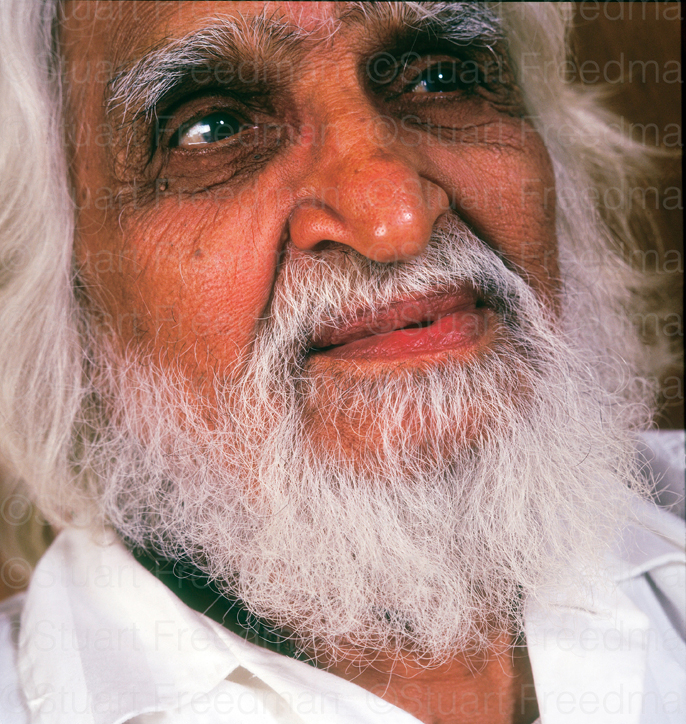
I photographed Husain many years ago in his Bombay studio (I’ve previously written about him here and here) and he was as charming as he was prolific. How awful then that his work, a mixture of European Modernism and Indian imagery, is unlikely to be seen again anytime soon in his home country. He had to flee India in 2006 as Hindu militants put a bounty on his head, charging him with “offending religious sentiment”. The London show is, in a sense, a farewell to Husain but perhaps moreover, potentially to the ideas to which his art spoke: of a secular, tolerant India. As India rushes headlong into the clutches of corporations and those that seek to divide it’s people against one another (rigidly defining those who are and who aren’t an ‘acceptable’ Indian), it ironically may take the legacy of an elderly millionaire painter to act as a metaphor for the freedoms that ordinary Indians – indeed perhaps the idea of India itself – are in danger of losing.


India - Mumbai - MF Husain (b. 1915, Maharashtra) India's foremost modernist painter at his studio in Mumbai (formerly Bombay). In the 1990s some of Husain's works became controversial because of their portrayal of naked Hindu deities. Charges were brought against him by Hindu Nationalists but were dismissed by the Delhi High Court. Husain dies in exile where his painting continued to command prices of several million dollars at auction.
India – Mumbai – MF Husain (b. 1915, Maharashtra) India’s foremost modernist painter at his studio in Mumbai (formerly Bombay). In the 1990s some of Husain’s works became controversial because of their portrayal of naked Hindu deities. Charges were brought against him by Hindu Nationalists but were dismissed by the Delhi High Court. Husain died in exile but his painting continue to command prices of several million dollars at auction.

World Water Day


By tomorrow night, according to Human Rights Watch, more than 1,800 children will have died from preventable, treatable diarrhea, largely linked to lack of clean water and sanitary conditions.

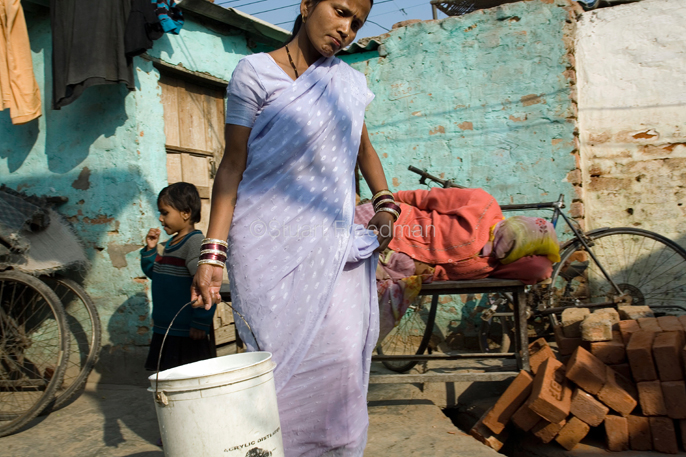
I’ve written several times about Delhi’s water wars and the struggle for its people to find any water, let alone clean water – (see here and here for a start). Here’s an image from the Kusumpur Pahari slum where that struggle for water is a daily one.


India - Delhi - A woman carries water delivered by tanker back to her home in the slum of Kusumpur Pahari. The slum, built more than thirty years ago has no running water or sewage facilities. The only water supply come from the Municipal  JAL Board water trucks that visit several times a day. The deliveries are supposed to be free but in reality, residents must pay bribes to have the water delivered.
India – Delhi – A woman carries water delivered by tanker back to her home in the slum of Kusumpur Pahari. The slum, built more than thirty years ago has no running water or sewage facilities. The only water supply come from the Municipal JAL Board water trucks that visit several times a day. The deliveries are supposed to be free but in reality, residents must pay bribes to have the water delivered.

Another one gone…


I’ve just discovered that one of my favourite Indian Coffee Houses, in Kollom, Kerala was closed in January.

I photographed there for an afternoon when I was working down there this time last year.

Over the years on this blog, I’ve written numerous times about my love for these places that hold a memory of an older, more gentle India…


India - Kollom - A waiter in the Indian Coffee House
India – Kollom – A waiter in the kitchen of the Indian Coffee House


India - Kollom - A waiter walks through the Indian Coffee House
India – Kollom – A waiter walks through the Indian Coffee House


A day against child soldiers


Today is the International Day against the use of Child Soldiers, a United Nations sponsored campaign which aims at the universal ratification of the Optional Protocol on the Involvement of Children in Armed Conflict.

I spent a couple of years in the late 1990’s looking at the mental landscape of war amongst former child fighters in Africa in a series called The Lord of the Flies

Here are some images.


Liberia - Monrovia - Two former boy fighters from Charles Taylor's militia on the streets of Monrovia argue with and threaten another boy.
Liberia – Monrovia – Two former boy fighters from Charles Taylor’s militia on the streets of Monrovia argue with and threaten another boy.


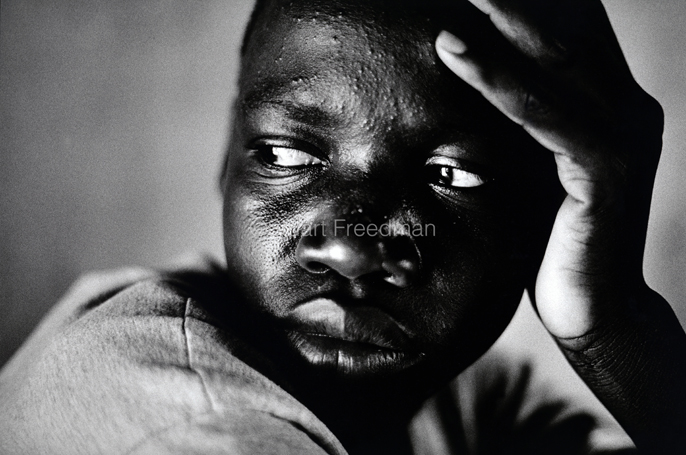
Uganda - Gulu - 'Andrew', 17. A former kidnapped fighter with the Lords Resistance Army, he remembers killing at least twelve. "...but only two with a machete...". Gulu, Uganda, "We are the miracles that God made to taste the bitter fruits of Time..." Ben Okri from 'An African Elegy'
Uganda – Gulu – ‘Andrew’, 17. A former kidnapped fighter with the Lords Resistance Army, he remembers killing at least twelve. “…but only two with a machete…”.  “We are the miracles that God made to taste the bitter fruits of Time…” Ben Okri from ‘An African Elegy’


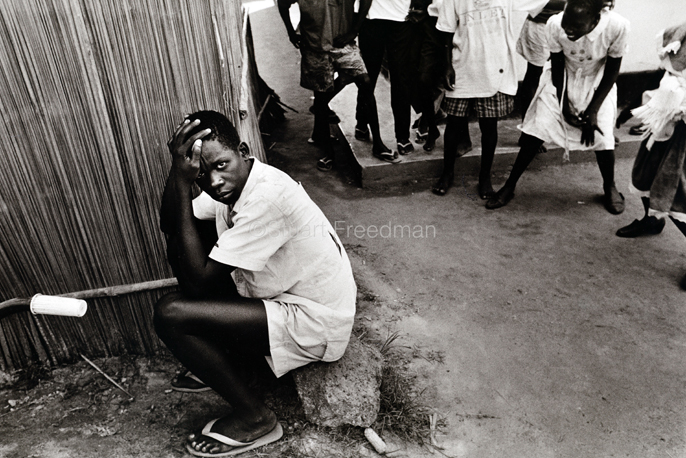
Uganda - Gulu - 'Edward', 16 sits alone at the World Vision Centre for child abductees in Gulu Northern Uganda. Forced to fight, he is deeply traumatised by his activities with the Lords Resistance Army that he is unable to mix with other children. At night like many of his contemporaries, he wets the bed and recounts his experiences as he sleeps. Gulu, Uganda
Uganda – Gulu – ‘Edward’, 16 sits alone at the World Vision Centre for child abductees in Gulu Northern Uganda. Forced to fight, he is deeply traumatised by his activities with the Lords Resistance Army and is unable to mix with other children. At night like many of his contemporaries, he wets the bed and recounts his experiences as he sleeps.