Another one gone…


I’ve just discovered that one of my favourite Indian Coffee Houses, in Kollom, Kerala was closed in January.

I photographed there for an afternoon when I was working down there this time last year.

Over the years on this blog, I’ve written numerous times about my love for these places that hold a memory of an older, more gentle India…


India - Kollom - A waiter in the Indian Coffee House
India – Kollom – A waiter in the kitchen of the Indian Coffee House


India - Kollom - A waiter walks through the Indian Coffee House
India – Kollom – A waiter walks through the Indian Coffee House


Martyr’s Day in São Tomé and Príncipe


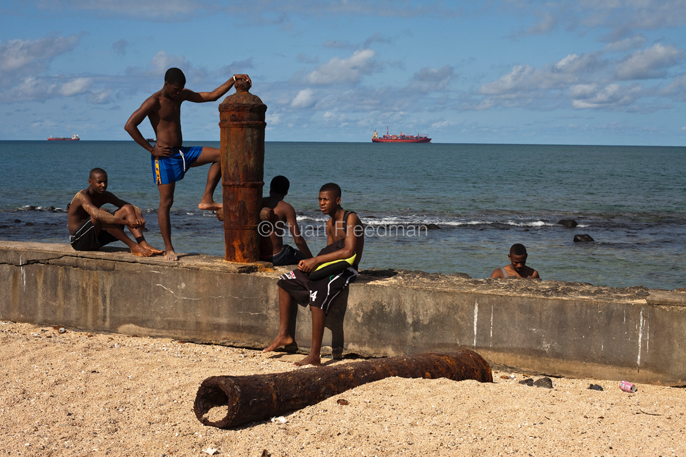
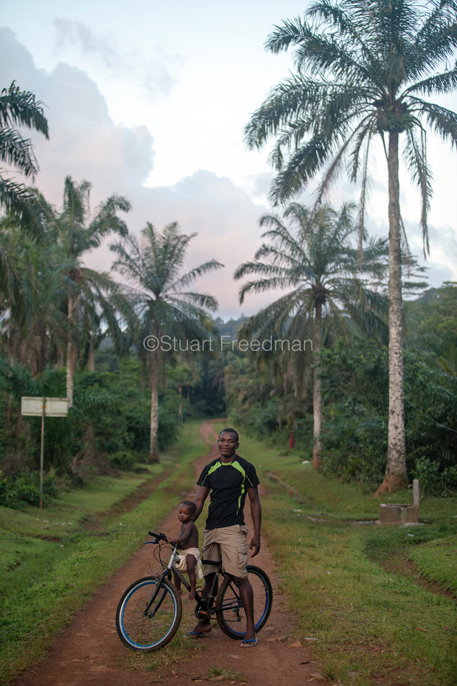
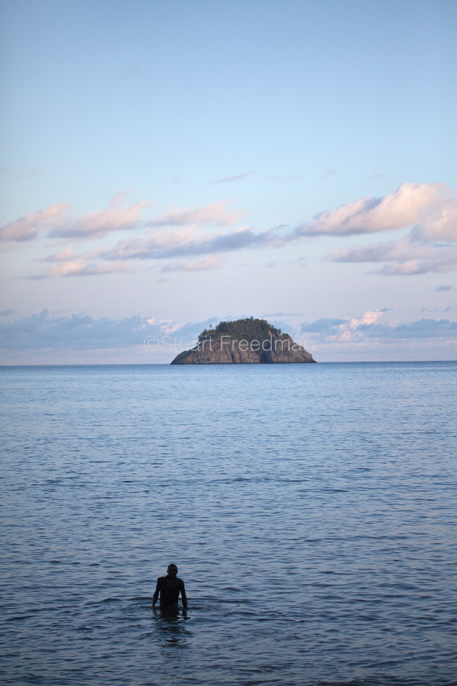
Yesterday was Martyr’s Day in São Tomé and Príncipe, the island nation that I visited last year on assignment for Conde Nast Traveller Magazine. I’ve posted quite a few favourite images from that assignment before (here, here, here and here) but I thought I’d show a little set of images that didn’t make the magazine cut – but that I liked …

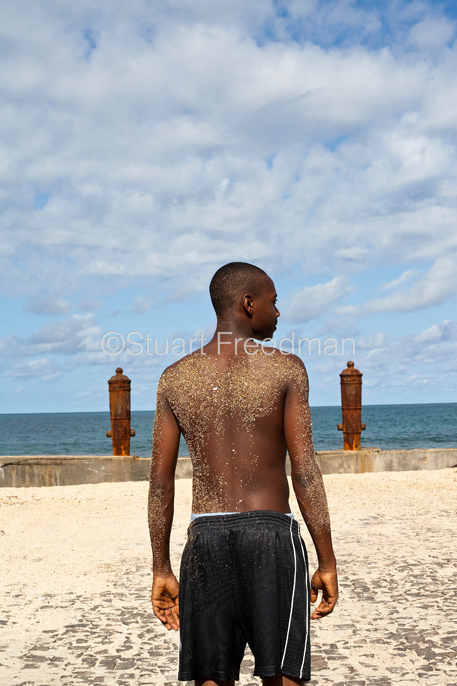
Sao Tome - Sao Tome - Boys sit on the wall of the Avenue Marginal 12 Julho
Sao Tome – Sao Tome – Boys sit on the wall of the Avenue Marginal 12 Julho


Sao Tome and Principe - Principe - A man poses with his child and his bike, having just ridden out of the jungle
Sao Tome and Principe – Principe – A man poses with his child and his bike, having just ridden out of the jungle


Sao Tome - Sao Tome - Young men swim towards the Isla Sebastao at dusk
Sao Tome – Sao Tome – Young men swim towards the Isla Sebastao at dusk


There’s a bigger selection on my website here


David beats Goliath


I was delighted to read over the weekend in a piece by Dean Nelson and Simon de Trey-White in the Daily Telegraph of the decision by Vedanta Mining to respect the wishes of the Dongria Kondh tribe and cease mining their sacred mountain for bauxite.

Vedanta Resources, a UK-registered ftse -100 company wanted to mine the Niyamgiri Hills in Orissa which are sacred to  Dongria Kondh, a protected tribal group of ‘original’ Aboriginal peoples. The Orissa state government had agreed to the destruction of the Tribal peoples land in 2005 but the decision was eventually overturned by the Supreme Court after a tortuous appeals process. The final decision was made by the Dongria Kondh themselves at a gathering at the weekend.

I covered the story in 2007 and wrote about it for the Indian magazine Tehelka (see here).

In a blog post on this site in 2009 I wrote that,

“I am no romantic when it come to India. I don’t share a Raj view of the colonial apologists (despite inevitably by dint of being British having reaped the indirect rewards of the subjugation of that country). I don’t yearn for quaint, underdeveloped communities full of poverty and colour. I want to see India progress. But I know the stink of international corporate power when I smell it… India had no colonies from which to steal resources so it’s stealing them from its own weak and vulnerable. The profits of this mine will not be spread evenly to benefit the Indian economy – it will be hoarded in the off-shore bank accounts of those corrupt politicians and corporate executives who already think that India is theirs by right.

A new middle class India has been brought up to believe that a successful society means a consumerist society. Greed and nationalism go hand in hand: it is not the poor of India calling for war with their brothers and sisters in Pakistan.”

It is a deeply significant victory for the Dongria Kondh but as Nelson correctly points out the flow of modernity is inevitable.

As I also wrote in 2009,

“Traditionally, Indians have protested injustice in a dignified Ghandian way with hunger strikes and marches. While the Western media and much of India has been marvelling at ‘Shining India’ it has failed to notice that a good deal of India is now under (mostly Maoist) rebel control. In Kashmir, Manipur, Nagaland, Bihar, Andhra Pradesh, Chhattisgarh and Jharkhand the Indian state is fighting a battle it might not win.”

I’ve used before Arundhati Roy‘s metaphor of India ‘eating its own people’ to describe that country’s unfettered race to Market Capitalism’. I hope that the Dongria Kondh’s victory for their peaceful, traditional way of life in harmony with the land of their fathers will last for as long it can.


India - Orissa - Dabu Limajhi, a tribal woman in her home in Kankasarpa village, India – Orissa – Dabu Limajhi, a tribal woman in her home in Kankasarpa village,

Music on a rainy afternoon


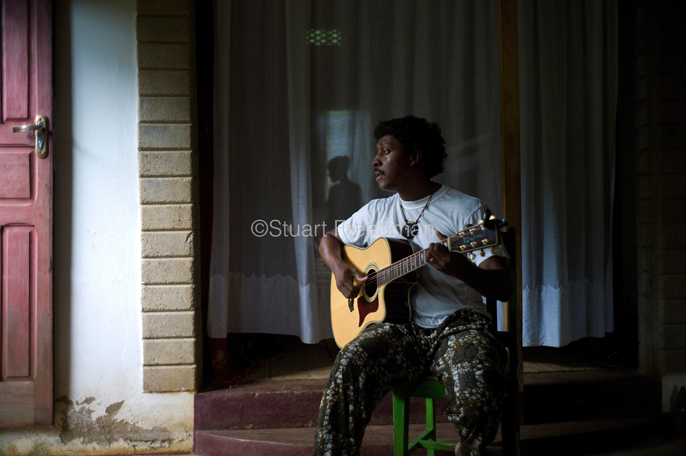
Here’s another image from a recent Conde Nast Traveller story in Sao Tome and Principe. It shows singer Guilherme de Caravlho playing at home in Sao Tome. Outside the heavens had just opened and a rain storm was passing overhead. Behind the curtain his daughter danced to the music.

I’ve written before about music from former Portuguese colonies: the melancholy, the saudade. Here was a perfect moment to illustrate it. I hope that I did his song justice…


Sao Tome and Principe - Sao Tome - Singer Guilherme de Caravalho plays guitar at home
Sao Tome and Principe – Sao Tome – Singer Guilherme de Caravalho plays guitar at home

Tearsheet – Independent Magazine


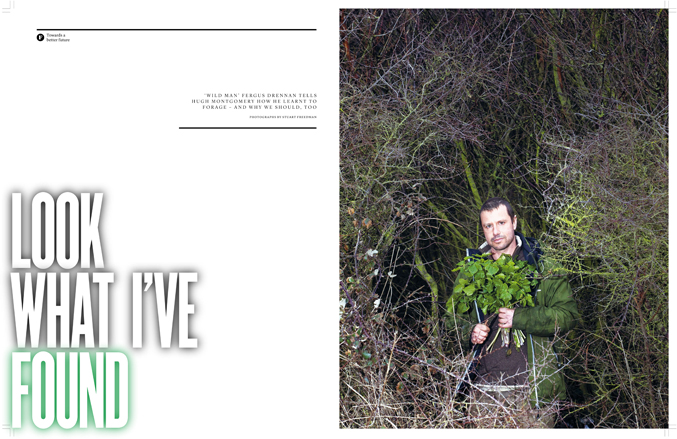
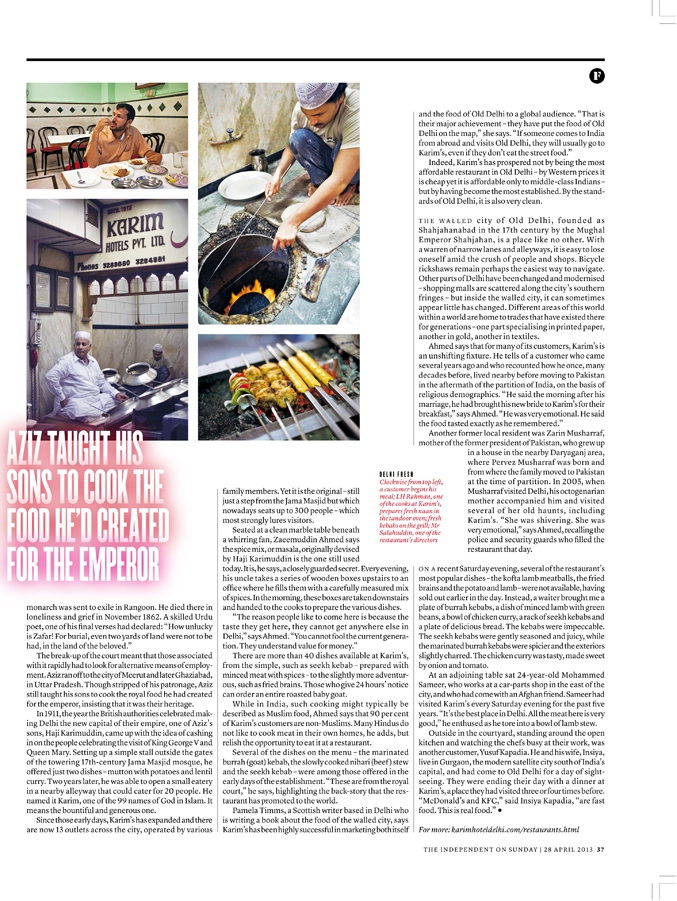
Here’s a recent tearsheet – a cover and two stories – from the Independent on Sunday Magazine. Firstly, a piece on Fergus Drennan, (also known a s Fergus the Forager who I’ve written about and photographed before) and a piece on Karims restaurant in Old Delhi.


Spring-food-covera

Fergus1a


Fergus2a


Fergus3a


Karims1a


Karims2a

Hooray for Bollywood…


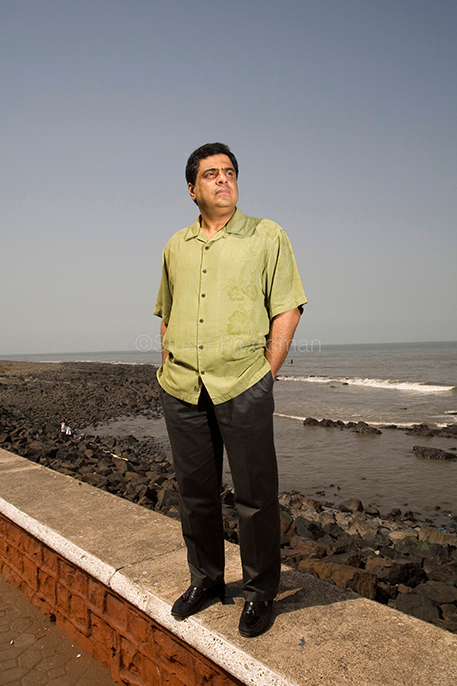
This month marks the centenary of Bollywood – the garish, larger-than-life dream factory that enraptures Indian audiences worldwide. Five years ago I was commissioned by the Sunday Times Magazine to photograph Ronnie Screwvalla, the millionaire film producer and founder of the UTV group over a couple of days in Mumbai. Screwvalla proved charming if extraordinarily busy. I photographed him at home and at his studios but realising that he would make a good potential cover, pursuaded his nervous PR staff (they’re always nervous aren’t they?) to let me have twenty minutes with him at a Mumbai beach near where he grew up. Originally, I’d wanted him walking along the beach but it soon became clear that that wasn’t going to happen. I arrived early and had my star-struck driver hold a single strobe as Screwvalla emerged from his limo. The picture lasted no more than five minutes before he had to leave. It never made the cover but I’ve always liked it.


India - Mumbai - Ronnie Screwvala, CEO of UTV, at Sea Face Bay  in Mumbai (formerly Bombay), India..As a producer and businessman, over the past five years Screwvala has led the transformation of India's prolific but chaotic film industry to become a crossover figure in Hollywood and Bollywood...
India – Mumbai – Ronnie Screwvala, CEO of UTV photographed at Sea Face Bay. As a producer and businessman over the past five years Screwvala has led the transformation of India’s prolific but chaotic film industry to become a crossover figure in Hollywood and Bollywood.

Tearsheet – Brand Eins (Neuland)

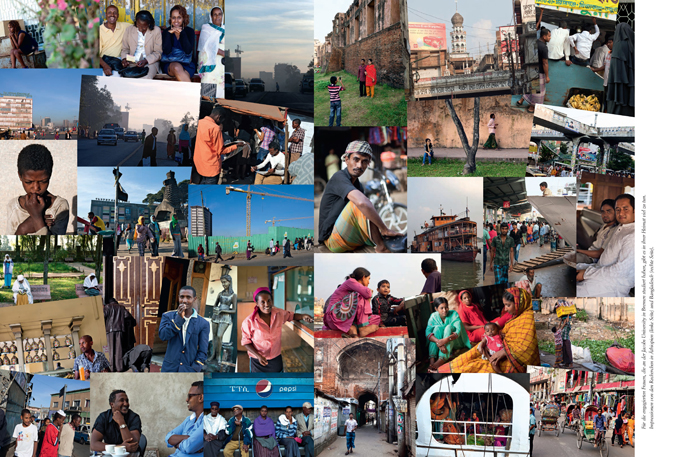
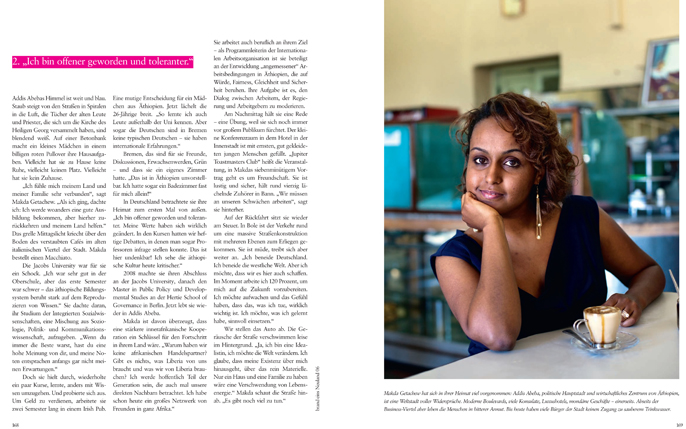
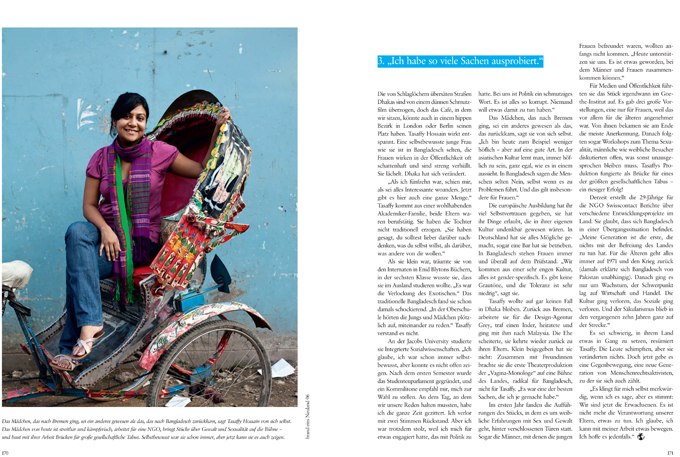
Here’s a recent tearsheet from the German Magazine Brand Eins Neuland. They commissioned me to interview three former alumni of Jacobs University for a special edition on the city of Bremen. I travelled to Ethiopia (Addis Ababa) and Bangladesh (Dhaka) to write the story and made a brief city reportage as well as the portraits.


162_171_NLBremen-3

162_171_NLBremen-4

162_171_NLBremen-5