Umbra Sumus
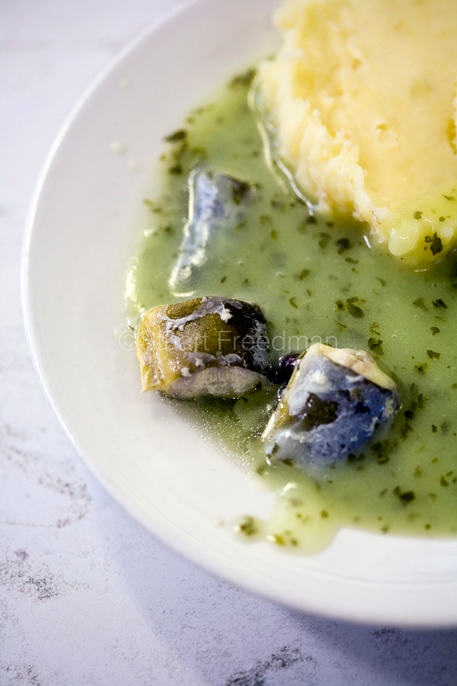
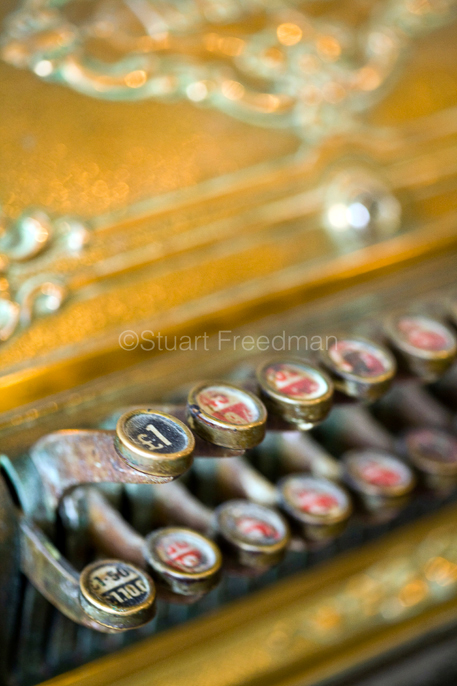
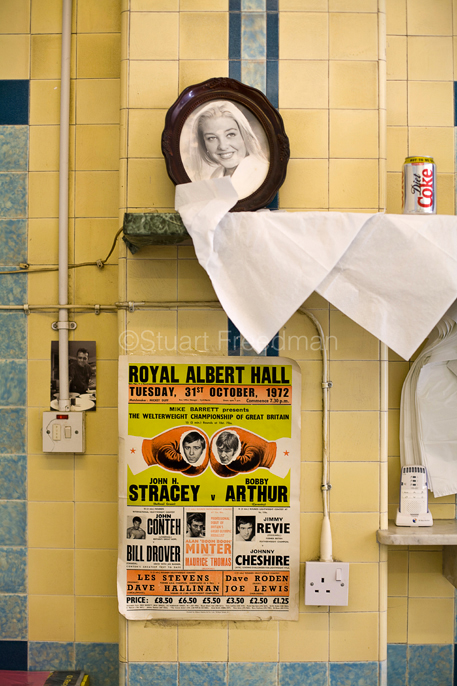
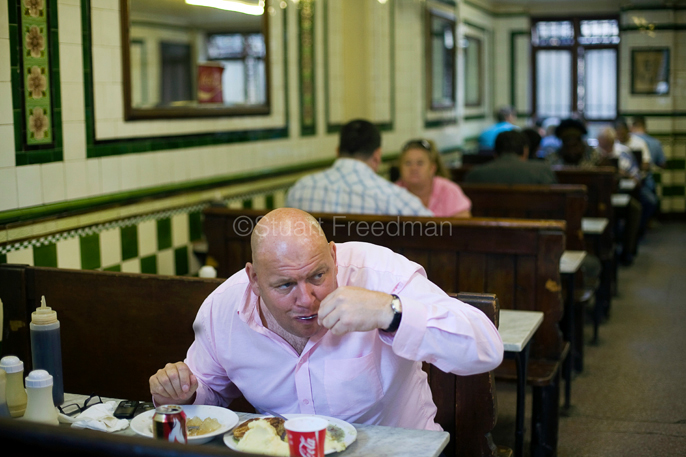
Although I already featured a tearsheet of a recent assignment on London’s pie and mash shops (see here), I thought I’d take the opportunity to show some of the images that didn’t make the magazine edit. Although I’m certainly no interiors photographer, I’ve always been intrigued by the survival of period details in these shops – a palimpsest of past London lives. Crucially, none of the images that Effilee featured showed the interior of the Manze shop in Walthamstow market. I thought this had the best architectural details although, dating from the 1930’s, it wasn’t the oldest.
I saw the piece (and my accompanying text – a link that I will post soon) almost as a bit of visual archeology. Like the long closed Jewish Soup Kitchen that I photographed at the start of my career (see here) these places are disappearing year after year. As I’ve said before, the corporate, identikit British high street is a poorer place for the passing of traditional cafes and all manner of independent shops.
Whatever you’re preconceptions of this food – and I guarantee that they are likely wrong – I urge you to try it even if it’s just an excuse to rediscover something of the past that for now, is still with us.




It seems that Imran Khan, who I’ve photographed a couple of times on assignment (and previously written about) is finally making a breakthrough in the murky and dangerous world of Pakistani politics with a large rally on Christmas Day. I was delighted therefore to see that his new book, Pakistan, a personal history includes a couple of my images of him.
Here’s one they unfortunately missed…

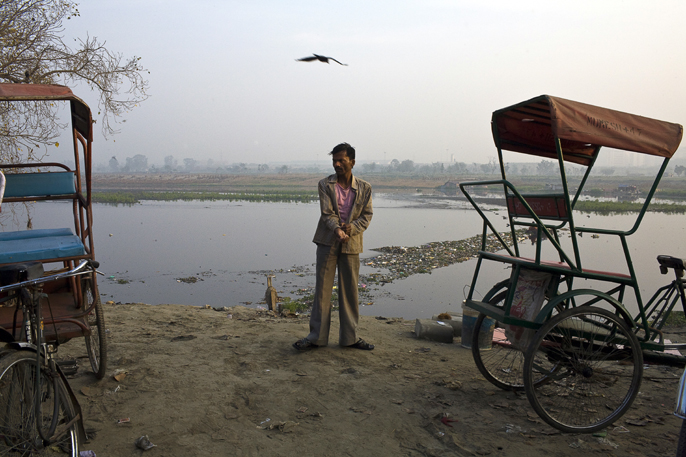
I’m delighted to say that this image has just been chosen as one of Action Aid’s images of the Year. The full set is here.
There’s a rather charming slideshow on the BBC here on the changing face of Delhi by one of its elderly residents. A shame that the city authorities haven’t made more of this to be honest. Delhi remains an enigmatic and petulant youth amongst other capitals: certainly for me infuriating and engaging at the same time.

Of course, as Kanika Singh, Convener of Delhi Heritage Walks told Tehelka magazine, not everyone shares that view, “Only last year, we evicted all street hawkers while preparing for the Commonwealth Games—and now we are celebrating their contributed (sic.) to our ‘heritage’. I don’t feel like celebrating this occasion. Whose Delhi are we celebrating?”.
The point is surely that cities only belong to their inhabitants when they feel they have some stake in them. I agree that most of Delhi is too busy trying to earn a crust to survive to be bothered about the anniversary but surely (and, if you’ve read this blog before you will know that I am the very last person to romanticise or excuse the Raj) the city is the sum of it’s parts: Hindu, Muslim and the British all have legacies that has made Delhi what it is and decrying any of those for some neo-nationalist point is surely counter-productive. Delhi is what it is and pretending that the city – or indeed much of India for that matter, doesn’t have some English blood is as pointless and saying it isn’t a melting pot of past empires. Selective cultural memory is a very dangerous thing for all societies (remember Ayodya?) and only by melding the various strains in a city (certainly one as large and anarchic as Delhi) can you hope to create a genuinely inclusive society…
Anyway, lecture over. Here’s one I made earlier…

I’ve just photographed and written another piece on Delhi street food and as I was walking through Chawri Bazaar yesterday I spotted a chai wallah plying his trade. On the wall next to the stall he’d hung some of his teacup frames. It looked so odd that I made a picture.
I wonder how many cups of tea these holders have held over the years?

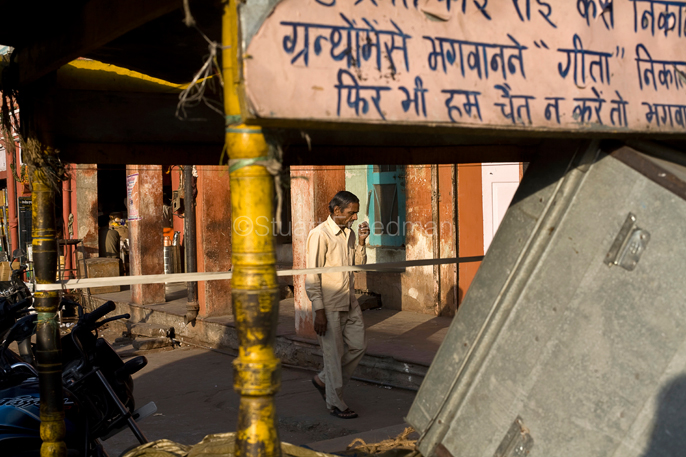
I have just finished a lovely four day travel assignment in one of India’s most tourist-heavy cities, Jaipur. Ironically I was tasked to write and photograph about the quiet spots, the quirky and the unusual and I’m pleased to say that there were many. I stayed an extra day and a half in order to edit and write the piece and on the last afternoon, took myself out to shoot on the streets. I always used to do this kind of work on Leica’s and tranny. That process was very freeing but I find it incredibly difficult these days to shoot this kind of work on DSLR’s. Perhaps it’s just me but one looks so much like a photographer that the process becomes a cliche: two big heavy cameras with two big heavy prime lenses. A long way from the classic rangefinder. It is more than that however – purely in terms of seeing, those little cameras allowed you to examine spatial relationships through the viewfinder. You could pre-focus and just walk into the picture. I feel very removed when I try to do these kind of things with my current kit. There’s a sort of rhythm that works on the street and it’s really difficult to do with such a big, noisy machine pressed to your face. I have, over the years in India gone back to my M6 rangefinders as it’s still relatively cheap and easy to process film here. However, then you have the laborious task of scanning – a process which, after spending the best part of two years feeding my archive (in the form of little plastic squares) through various machines, I’d rather die than attempt again. The irony is of course that I used to be sponsored by Leica (and Kodak for that matter) but who, apart from dentists (meaning rich hobbyists) as Simon Norfolk said a few years ago can afford a couple of M9’s? Or perhaps I’m just not working hard enough…