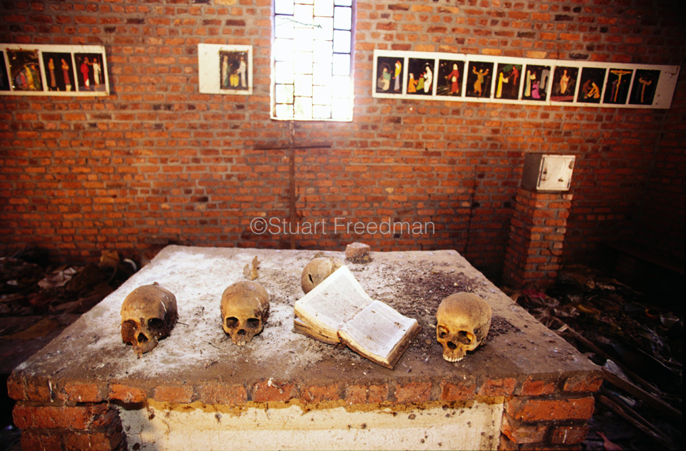
 Umbra Sumus
I was delighted to read over the weekend in a piece by Dean Nelson and Simon de Trey-White in the Daily Telegraph of the decision by Vedanta Mining to respect the wishes of the Dongria Kondh tribe and cease mining their sacred mountain for bauxite.
Vedanta Resources, a UK-registered ftse -100 company wanted to mine the Niyamgiri Hills in Orissa which are sacred to Dongria Kondh, a protected tribal group of ‘original’ Aboriginal peoples. The Orissa state government had agreed to the destruction of the Tribal peoples land in 2005 but the decision was eventually overturned by the Supreme Court after a tortuous appeals process. The final decision was made by the Dongria Kondh themselves at a gathering at the weekend.
I covered the story in 2007 and wrote about it for the Indian magazine Tehelka (see here).
In a blog post on this site in 2009 I wrote that,
“I am no romantic when it come to India. I don’t share a Raj view of the colonial apologists (despite inevitably by dint of being British having reaped the indirect rewards of the subjugation of that country). I don’t yearn for quaint, underdeveloped communities full of poverty and colour. I want to see India progress. But I know the stink of international corporate power when I smell it… India had no colonies from which to steal resources so it’s stealing them from its own weak and vulnerable. The profits of this mine will not be spread evenly to benefit the Indian economy – it will be hoarded in the off-shore bank accounts of those corrupt politicians and corporate executives who already think that India is theirs by right.
A new middle class India has been brought up to believe that a successful society means a consumerist society. Greed and nationalism go hand in hand: it is not the poor of India calling for war with their brothers and sisters in Pakistan.”
It is a deeply significant victory for the Dongria Kondh but as Nelson correctly points out the flow of modernity is inevitable.
As I also wrote in 2009,
“Traditionally, Indians have protested injustice in a dignified Ghandian way with hunger strikes and marches. While the Western media and much of India has been marvelling at ‘Shining India’ it has failed to notice that a good deal of India is now under (mostly Maoist) rebel control. In Kashmir, Manipur, Nagaland, Bihar, Andhra Pradesh, Chhattisgarh and Jharkhand the Indian state is fighting a battle it might not win.”
I’ve used before Arundhati Roy‘s metaphor of India ‘eating its own people’ to describe that country’s unfettered race to Market Capitalism’. I hope that the Dongria Kondh’s victory for their peaceful, traditional way of life in harmony with the land of their fathers will last for as long it can.
 India – Orissa – Dabu Limajhi, a tribal woman in her home in Kankasarpa village,
Very saddened to read that the Honduran city of San Pedro Sula is now the most violent place on Earth as reported in today’s Guardian.
I remember shooting a small story there about young people trying to leave the gangs in 2001.
Here are a couple of the images that I made …

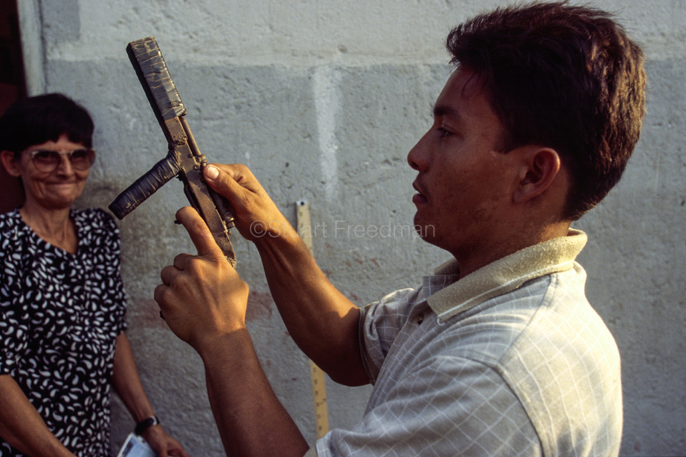
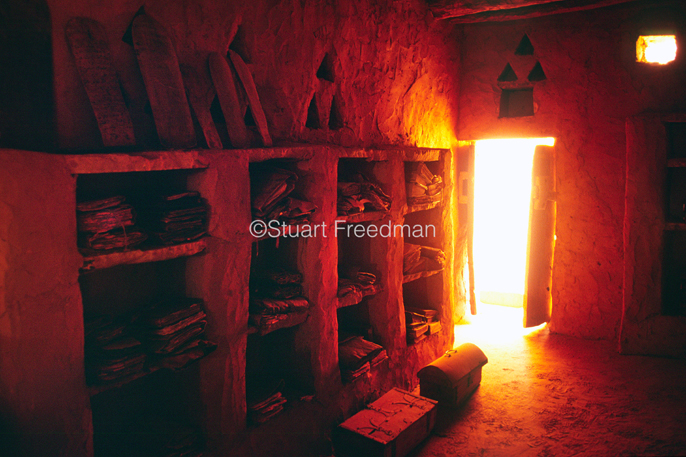
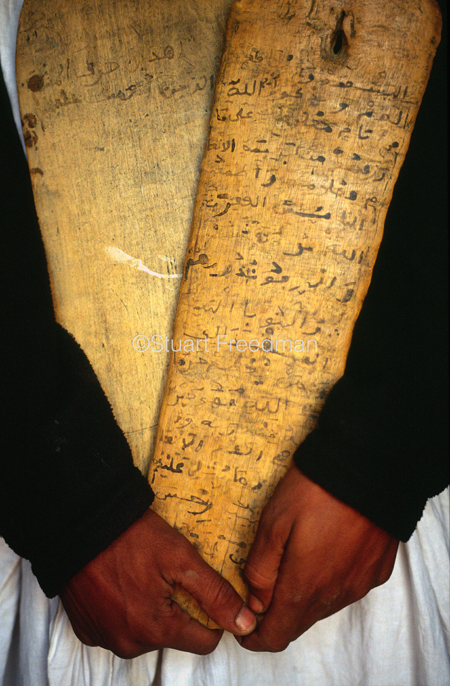
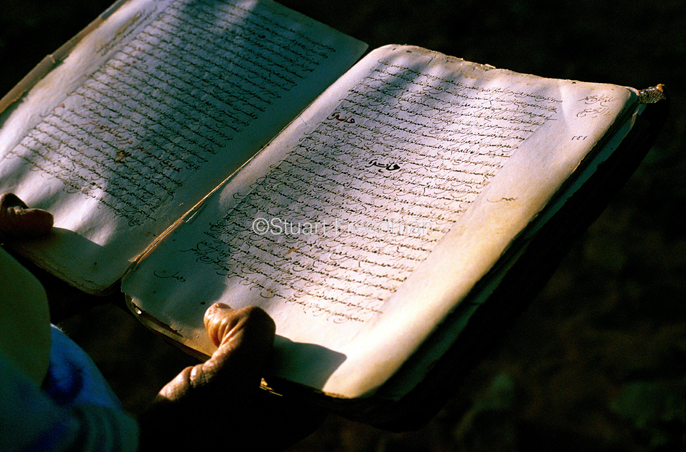
It’s deeply saddening to discover that in Mali, militants seem to have systematically destroyed much of West Africa’s Islamic heritage by ransacking and torching the libraries that hold priceless Korans and Hadiths.
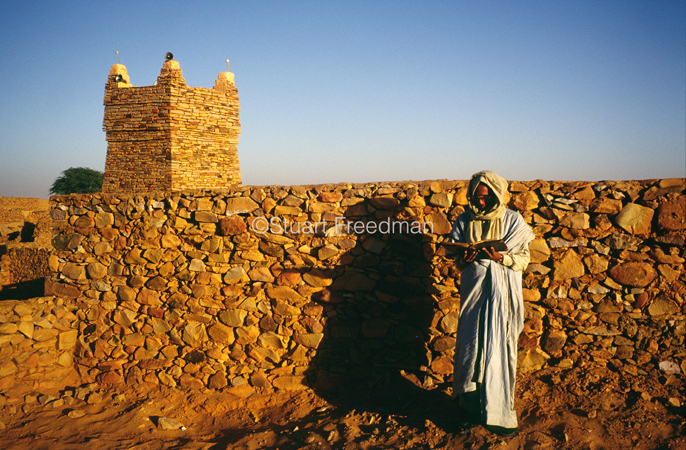
Some years ago I made a story in nearby Mauritania about the wind destroying the desert cities of Chinguetti and Oudane, both significant repositories of similar ancient manuscripts. I wrote:
“Once upon a time, the Wind grew jealous of the prosperous cities and resolved to bury them beneath the sands so that the only traces were old men and dusty books. So it was that the wind crashed against the purple stone mass of the Adrar, the mountain range that crosses Mauritania in West Africa. It blew until the rocks were carved into sculptures of fearful complexity. It blew until the dunes advanced and Chinguetti and Ouadane, two once mighty cities of scholars and traders of the Sahara, began to choke under the ocean of sand. Today they are almost gone…”

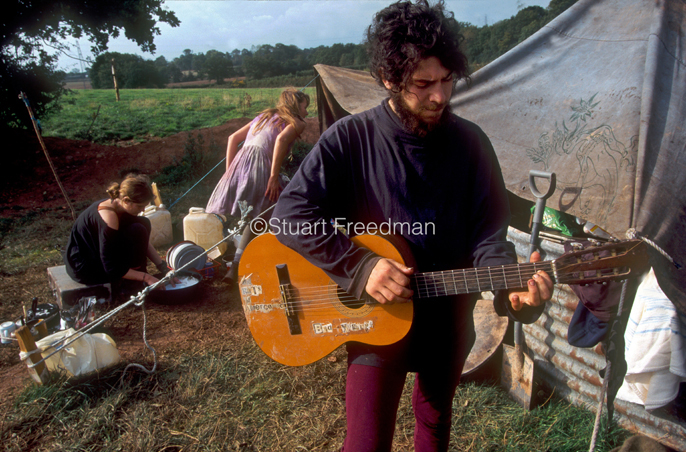
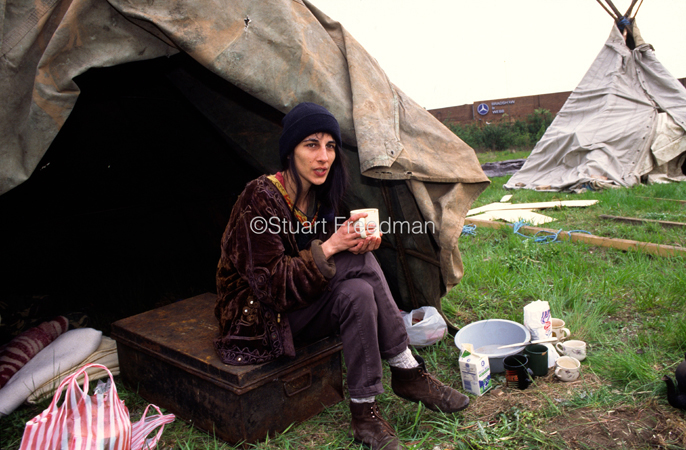
It seems that the road lobby is on the march again (or should that be driving…). A link road planned between Bexhill and Hastings has meant a whole new generation of young eco-protesters (known as the ‘Combe Haven Defenders’) have taken to the trees in order to thwart the chainsaws and the bailiffs. The road will destroy the unspoilt Combe Haven Valley damaging an ancient woodland home to protected species.
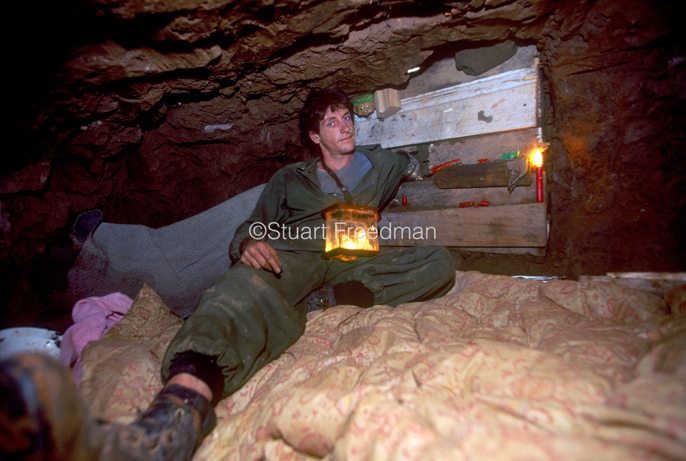
It takes me back to the mid/late 1990’s when I did a few assignments for magazines (including I remember one for the Independent on Sunday Magazine on the Land is Ours group) about the environmental protests taking place under a previous Conservative government. My abiding memory is of descending a ramshackle tunnel somewhere under Twyford and crawling on my belly for ten yards underground to photograph a young man who’s arm was secured into a concrete pillar (see below). I never realised that I was a tiny bit claustrophobic until that point and was very relieved to get the picture and retreat the way I had come.
Here are some images from the archives.


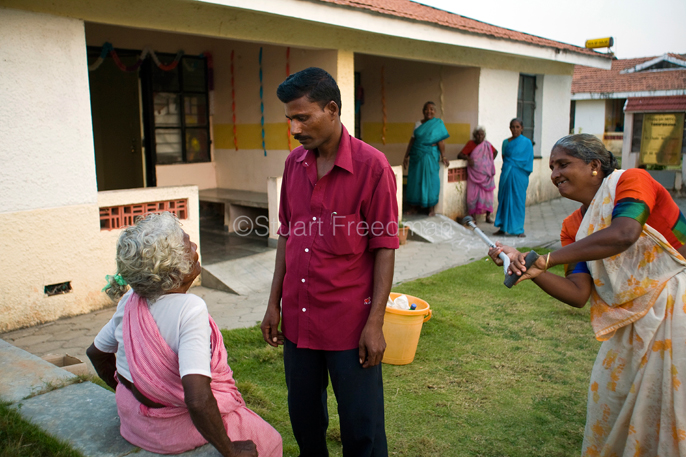
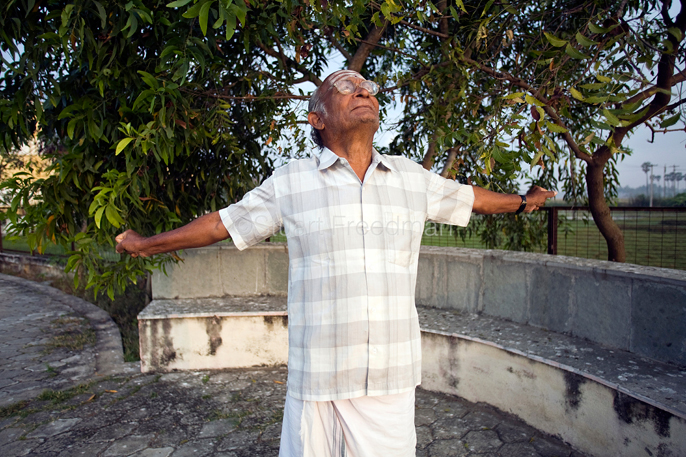
I have, for a long time been photographing around aspects of a changing India. These images, currently being syndicated, show a gentle side of a huge demographic change in that country. It is estimated that by 2020, the elderly population in India will nearly double to 150 million people. Better medical care and low fertility rates have made the elderly the fastest growing section of society. New wealth and urbanisation are starting to erode the foundations of traditional values and kinship. Today fewer than 40 percent of Indians live in so-called “joint families” where brothers share the family home with their parents even after they are married. In a country where only 10 per cent has any form of pension, “old people have to work till they die” says Mathew Cherian, Help Age India’s chief executive. Even specialised medical care is rare, as India has only two medical colleges in the entire country teaching geriatric care. After the Asian Tsunami, HelpAge India set up a pioneering experimental scheme called the Tamaraikulam Elders’ Village (TEV) in Tamil Nadu that initially cared for elderly people displaced by the tragedy. Today, the village is a self-sustaining community providing a family environment where more able-bodied residents assist the less able-bodied. The village provides 100 older people with a safe place to live, free healthcare, emotional security, a good diet and professional support.
I was fortunate enough to visit for a few days and make some work there. Work that for personal reasons has an enormous resonance for me.
Despite great effort (especially on the part of Jon Jones at the Sunday Times Magazine) they remain unpublished. Of all the stories that I have shot over the last few years, I really want to see this run somewhere: not because my images are so wonderful but rather because of what they show and the issue that they address.
My agency, Panos is syndicating a 35 image set that can be viewed here.
Here are seven of my favourites.



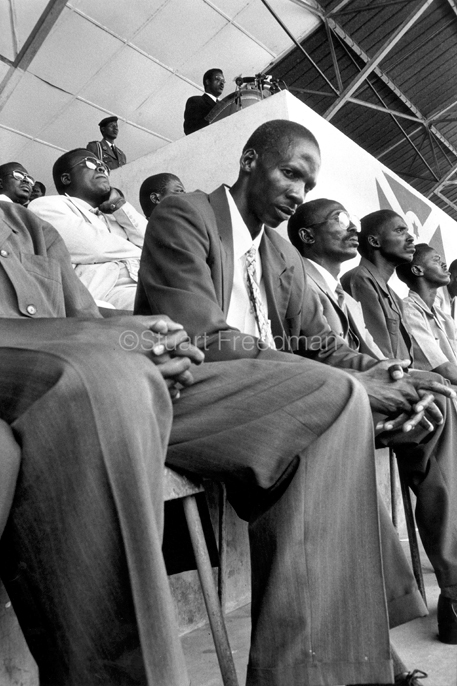
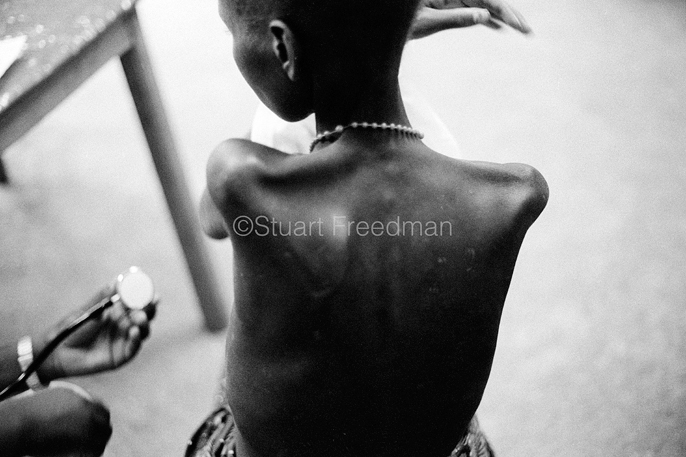
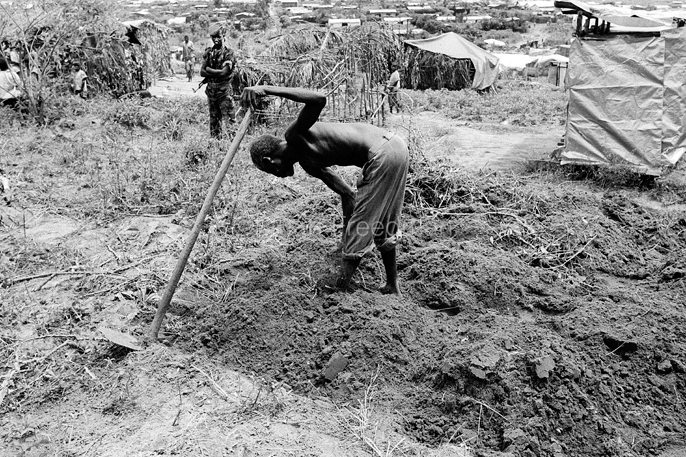
I read with great regret a small piece from the Economist that tells of a ‘souring mood’ in the tiny African country, Burundi. It seems that opposition forces have again taken to the hills after around three hundred of their number have been killed since July and dozens arrested. Much of this goes back to the 2010 election which, despite the International community declaring reasonably fair was greeted by anger from the forces opposing President Nkurunziza. I worked several times in Burundi during the last twelve years – assignments ranged from looking at the so-called Regroupment camps where the Tutsi government corralled Hutu peasants ‘for their own safety’ in appalling conditions (as part of a global series called The Politics of Hunger) to looking at the steps to reconciliation with the Bashingantahe councils. I also photographed and wrote about the extraordinary Marguerite Barankitse, The Angel of Burundi who adopted children of all tribes amidst the terrible violence of the Civil War. I fear that her heroism and devotion will be called on again.
On Monday, The Forces for National Liberation (FNL) leader Agathon Rwasa, whom Burundian authorities believe is hiding along with fellow combatants in the eastern Democratic Republic of Congo, called on Nkurunziza to step down. Reuters are reporting this as a declaration of war. I sincerely hope that they are wrong.



The piece that I wrote for Effilee Magazine on the situation in Greece is now available to view in English on my website here
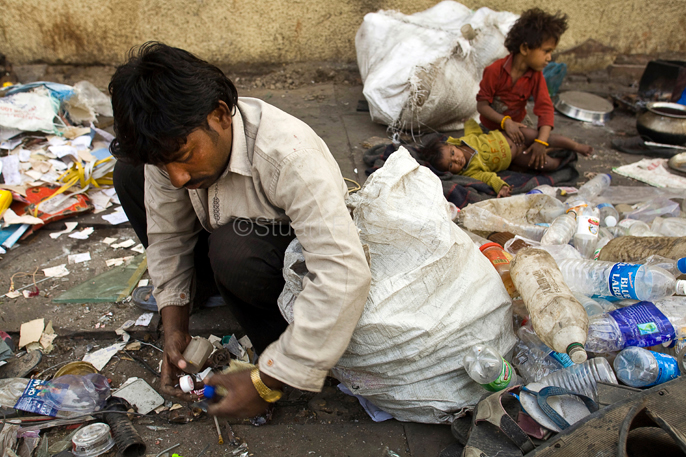
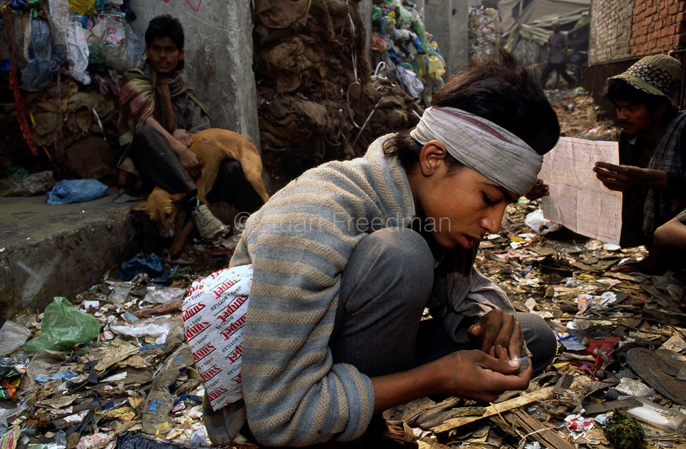
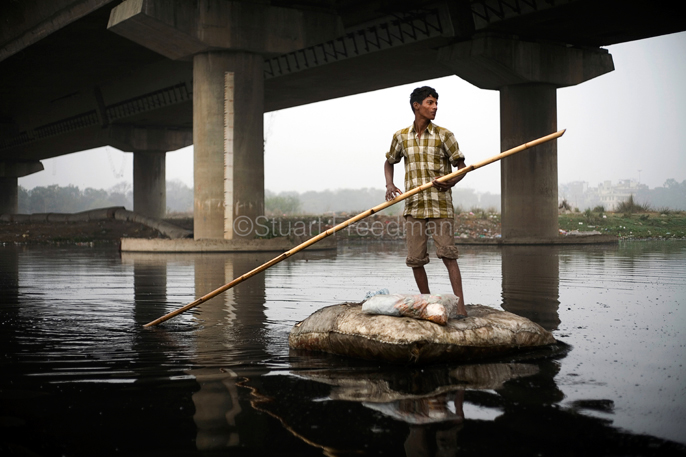
According to a piece in the Guardian, it seems that authorities in Delhi are piloting a project to tackle the city’s enormous waste problem but the solution may affect those whose livelihood depends on it. Currently, waste is sorted manually by an informal army of men, women and children and then passed on to middle-men to sell or recycle. Three new plants (one at Ghazipur) will, it is hoped, sort the 8000 tonnes of Delhi’s daily waste automatically. It is estimated that more than 50,000 people work in this informal sector (known as ‘rag-pickers’) in and around the capital. The work is terrible and dangerous but for a significant section of the transient population of one of the world’s fastest growing cities, it is at least a living.
Over the years, I’ve photographed and written about many of the city’s rag pickers who exist in a twilight, Dickensian world ignored by almost everyone, quietly making the city function in a most human but terrible way.