The piece that I wrote for Effilee Magazine on the situation in Greece is now available to view in English on my website here
 Umbra Sumus
The piece that I wrote for Effilee Magazine on the situation in Greece is now available to view in English on my website here


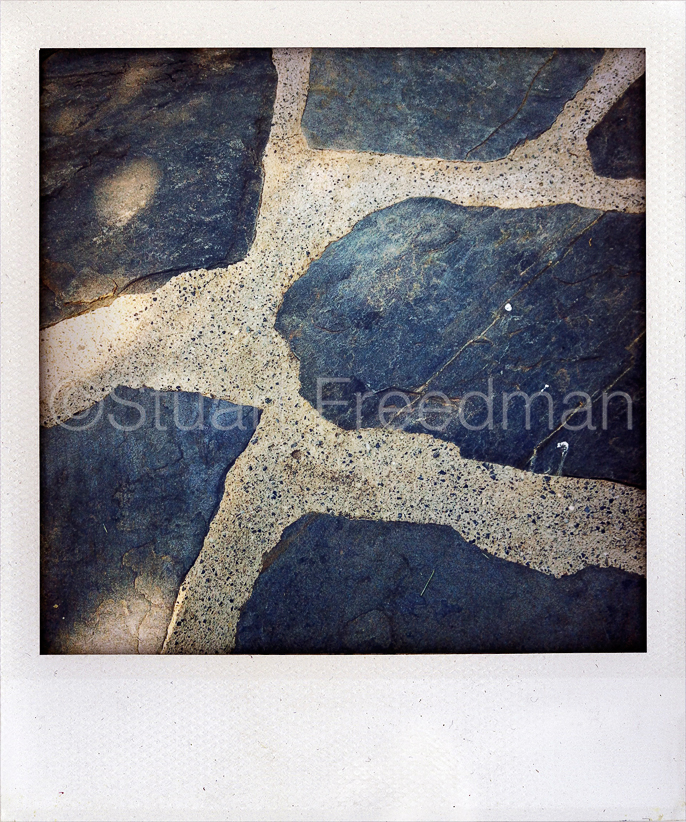


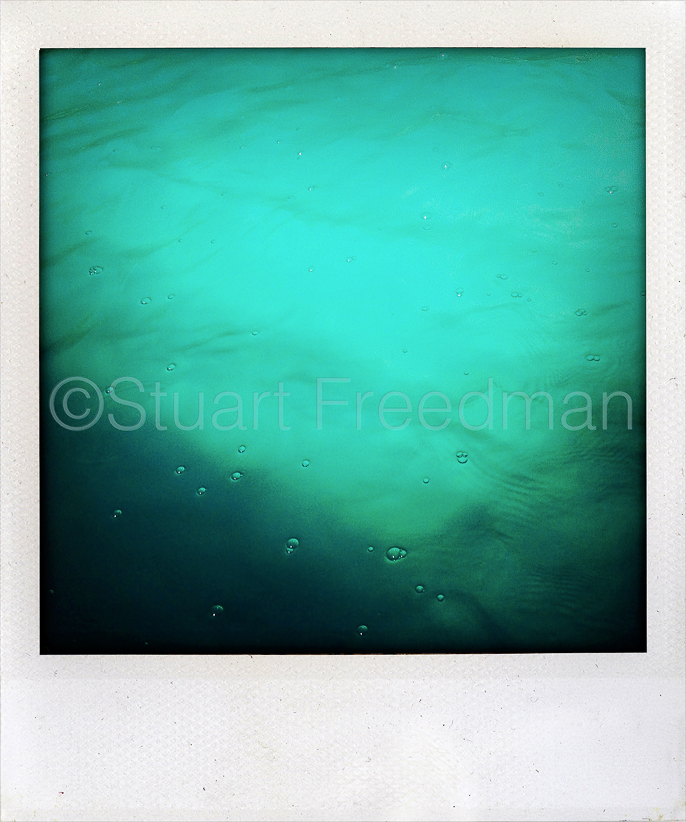

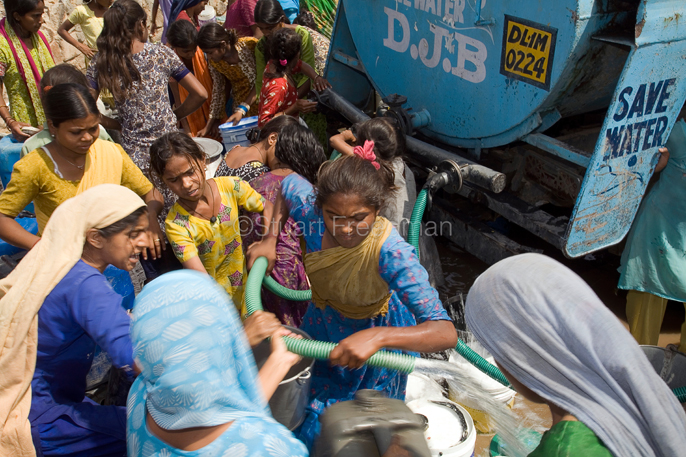
As Delhi labours under relentless 45 degree heat, the availability of water is as ever, a battleground. According to India Today (quoting an investigation by The Mail) reporters have uncovered a nexus of corrupt Delhi Jal Board (the local authority that looks after water in the city) employees and private tanker operators offering water for sale at inflated prices. Delhi, like many Developing World cities has a particularly rickety infrastructure when in comes to water supply. Illegal drilling of underground aquifers and horrendous pollution mean that at the best of times water supply is erratic. Add in seemingly endless low-level corruption and you have a perfect storm. I made a film about Delhi’s water wars a couple of years ago for Channel 4. You can see it here. As I said at the time, for the middle classes, access to water is an expensive and miserable inconvenience but to the poor and the slum dwellers, it is literally a daily fight. As my images show…



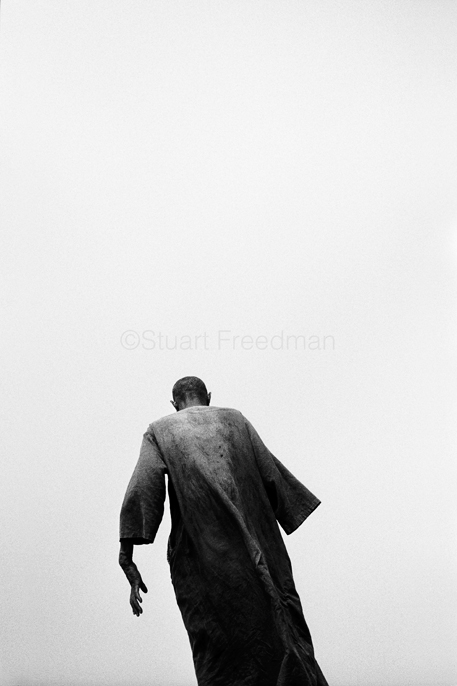
Delighted that at least some justice has been served today for the people of Sierra Leone and Liberia after Charles Taylor was found to have “aided and abetted” war crimes” by a United Nations-backed tribunal in The Hague.
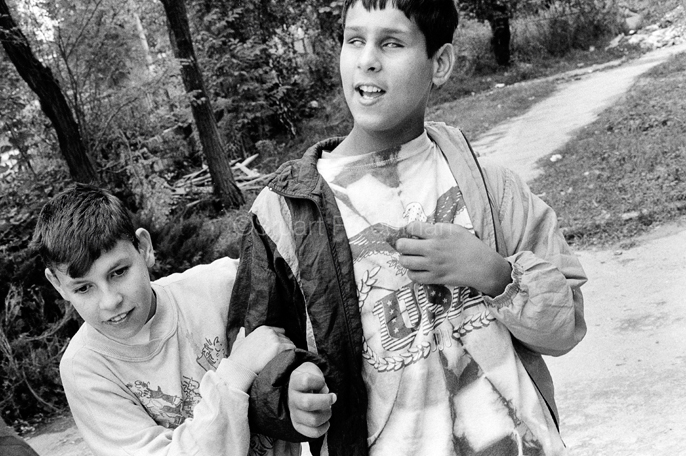
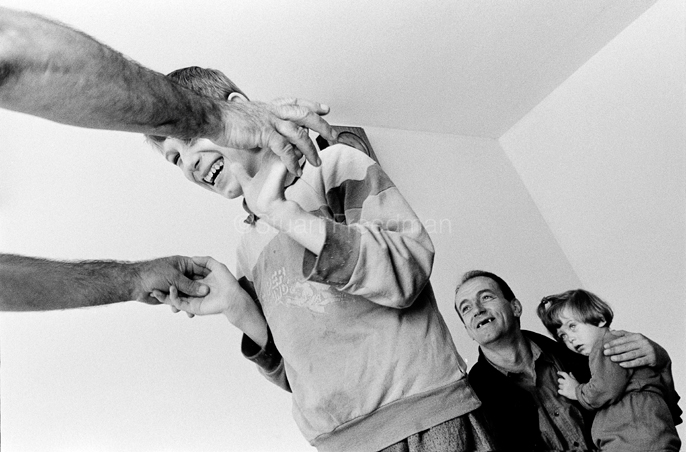
Today marks the twentieth anniversary of the start of the war in Bosnia. Cities, like people can produce strange feelings in visitors – leave tiny traces of discomfort and Sarajevo always struck me as being a little odd; a little schizophrenic… of course I never knew it before the war as a place of civility and culture. The work I made there was always conditioned by conflict but I thought I’d take this opportunity to show a small selection of work from the city taken almost a decade apart that show two different sides. The work from 1997 was made as I’d just returned from a near fatal trip to Sierra Leone and I came back to a landscape of a bitter and fragile winter. I remember the dark coffee and the sleet, the ominous surrounding mountains and the deep, jagged gouges in the buildings – and in the people. I photographed the Blind School, devastated by shelling but trying slowly to come back to life. I photographed children learning to use their canes on a path that the instructor, Borko swore was surrounded by unexploded ordnance. It made the children – and me – very diligent. A decade later I came again in better weather and better spirits with an old friend of mine from Delhi, the critic and writer Meenakshi Shedde to make a story on the Sarajevo Film Festival. Clearly, for me and the city, most of our visible scars had healed.




I just returned from almost a week in Athens on assignment for a magazine writing about how Greeks are coping on a personal level with the rape of their country by international finance. I found many things – a grinding poverty for some – more akin to the Developing World than to Europe but also small stories of hope; of people learning again what community and solidarity mean. Small stories, beautiful stories.
I had barely a couple of hours over a day or so to make some images and none of them reflect the immediate situation, but they were a therapy – going out and photographing people and their lives in the markets and on the streets.
My special thanks to journalist and fixer extraordinaire, Helen Skopis for patiently putting up with me and making all the ‘phone calls – and to two young and very talented photographers, Angelos Tzortinis and Alkis Konstantinidis who were generous enough to share their time and considerable experience to give me some background as only photographers can.
Thanks to all.


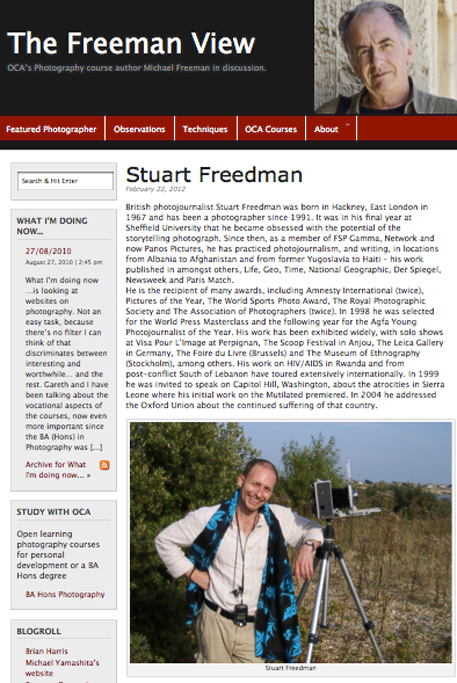
I was recently interviewed by the prolific and extraordinarily talented Michael Freeman for his OCA (Open College of Arts) course as part of his featured photographer profiles. You can see the piece here or click on the image below.
Michael seems to have included a great number of my images and teased out quite a bit from my past lives as a photographer…
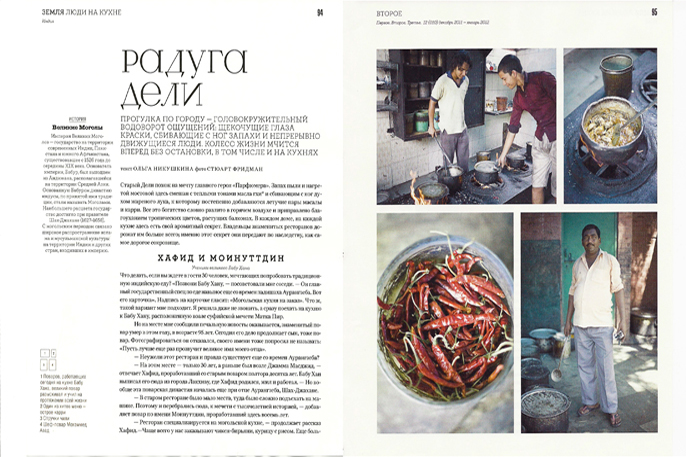
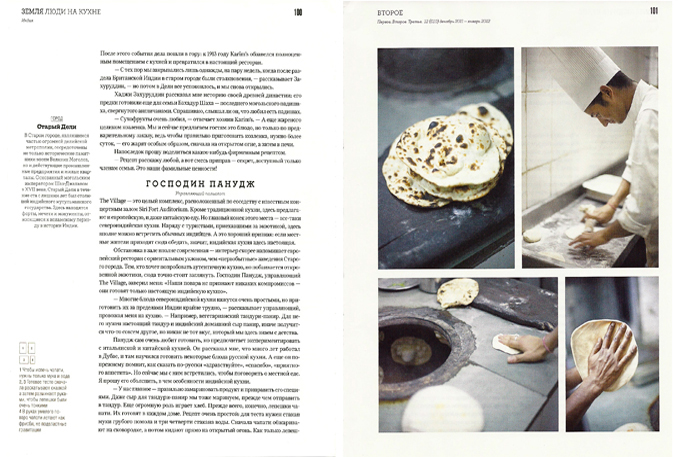
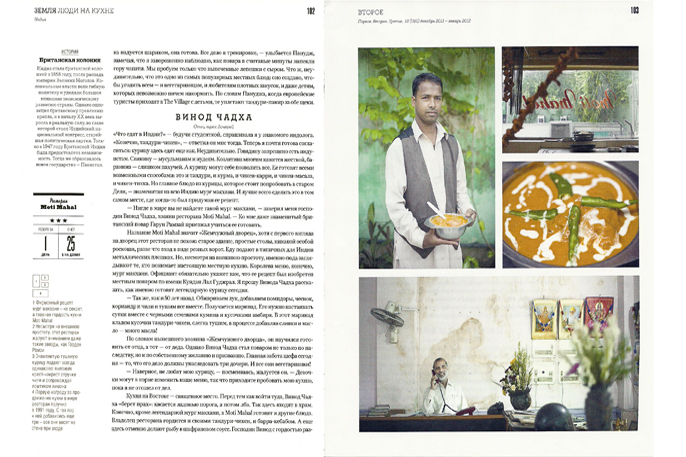
No, I don’t know how to say it either but this Russian magazine that commissioned me were utterly charming, paid well – before time – and were a pleasure to work with… My thanks to Olga, Evegeny and Natalia.
Another Delhi food story again soon…