Delicate late afternoon sun; an empty table. The cafe of monkeys and melancholy…

 Umbra Sumus
Those nice people at Wonderful Machine in the ‘States have just written a very nice blog post about me and my upcoming assignment in Delhi. Read the full story here.


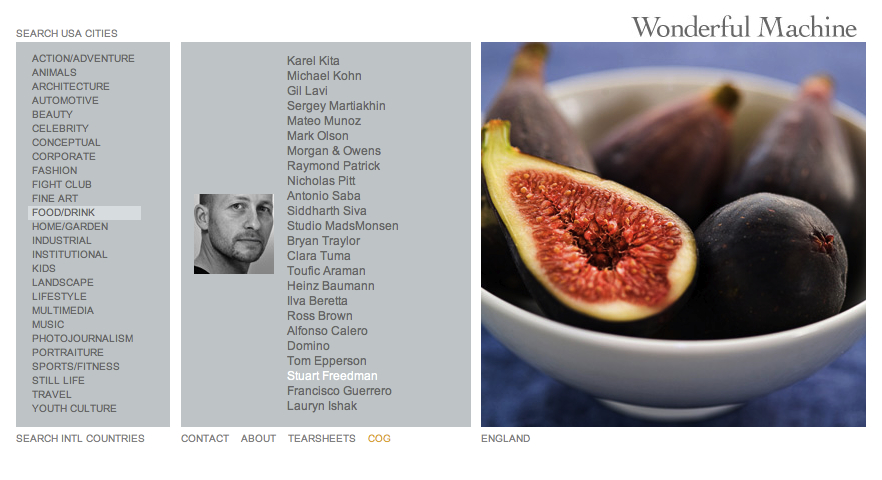
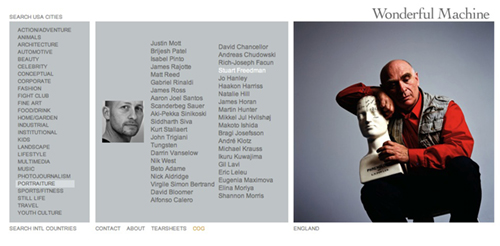
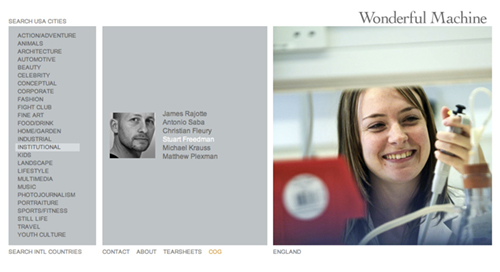
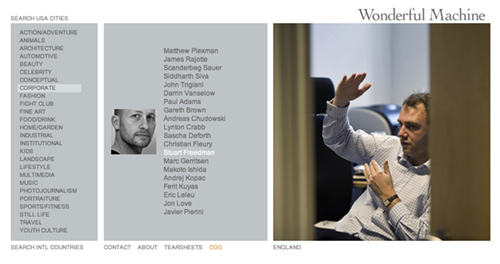
I’m very proud to announce that I am now represented commercially by Wonderful Machine in America.
I have a varied folio that includes work portraits, corporate, food/drink, travel and institutional.
I’m looking forward very much to working with them. Here’s some screen shots of my online folio for them.


According to NATO’s senior civilian representative, Mark Sedwill, children are safer in Kabul than in Glasgow.
Of course the statement is nonsense – the NATO propaganda machine in full spin mode – but he actually raises some interesting points.
There is appalling child poverty in Glasgow (as there is in much of the UK) but little from bombs or direct warfare. As Justin Forsyth from the NGO Save the Children put it, one in four children living in Afghanistan will die before they reach the age of five.
“Last year was the deadliest for children since late 2001, with more than a thousand killed because of the conflict” and “a staggering 850 children die every day, many from easily preventable diseases such as diarrhoea or pneumonia, or because they are malnourished”.
Actually, what Sedwill meant was that significant and direct violence was not the greatest risk for (especially) Kabul’s children despite them living on the edge of a live war zone. In other respects of course Kabul children illustrate perfectly the issues of young lives in the Developing World. They are forced by and large to forego what a childhood looks like to us.
A significant issue that divides children in Glasgow and Kabul is work and Afghanistan has a large proportion of working children. The development of the idea of childhood as we know in the West is a product of the Enlightenment and Victorian social reform. For many of the world’s children, work is not a matter of choice and going to school is an unaffordable dream. Families send their children to work through economic necessity not profit. We may find this deeply unpalatable but the world is as it is, not as we wish it to be. In recognition of this situation, there are small scale moves to unionise child workers and give those who have no choice, a voice and some rudimentary protection. The National Movement of Street Boys and Girls in Brazil is one example, there is another in Delhi. A basic conviction of these movements is that through community participation and the development of democratic practice, poverty can be challenged. All of these schemes involve lengthy intervention by social workers but represent a real-life (if partial) solution to the reality of working children.
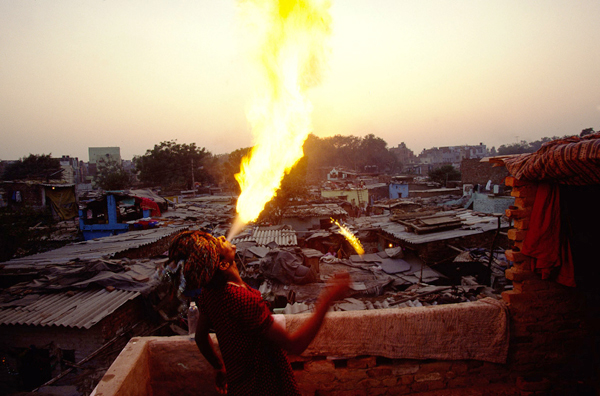
Here are some pictures from Kabul and Delhi that illustrate the issues…


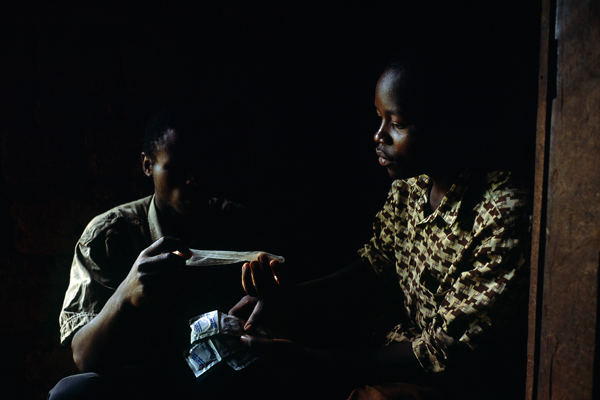
It seems that the Pope has signaled that condom use might be justified to stop the spread of HIV and AIDS. A brave, welcome and clearly significant decision that will certainly save thousands of lives.
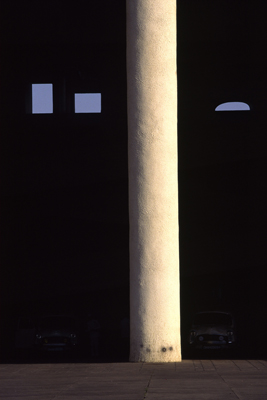
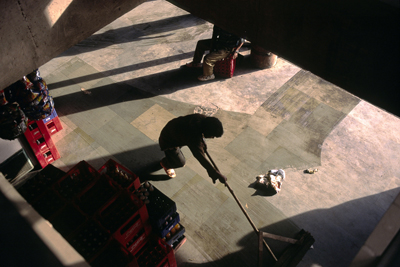
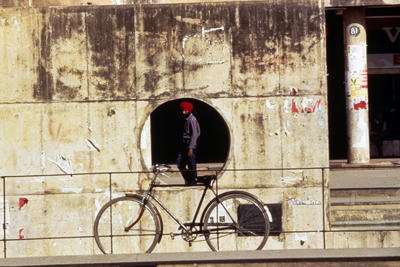
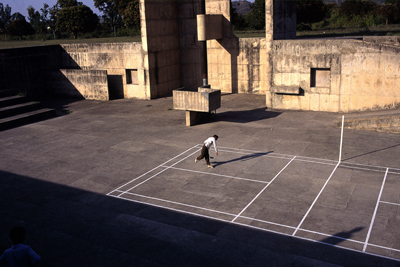
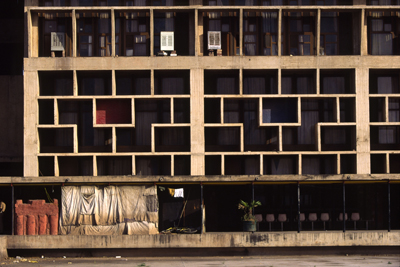
I first went to Chandigarh in 1996 to shoot a story for the Independent on Sunday Magazine. A fascinating place, it was chosen as the capital of the Punjab after India lost Lahore to Pakistan after Partition. Nehru famously said that Chandigarh should to be “unfettered by the traditions of the past, a symbol of the nation’s faith in the future.” The originally commissioned architect, Matthew Nowicki, died in a ‘plane crash and the rather difficult Charles-Édouard Jeanneret-Gris replaced him. Jeanneret-Gris was better known as Le Corbusier. He made a bold modernist statement of concrete and angles and by the time I got there, it had started to decay nicely under the unforgiving Indian sun. It was however a rather wondrous if slightly odd beauty to behold: a thoroughly Indianised but planned city that worked. Recently it has transformed itself again into a successful metropolis of New India: plush bars, hotels and now has India’s highest per capita income. However, shortly after I left (and I had nothing to do with this, honestly) some enterprising wags started selling off anything that wasn’t bolted down to Western collectors desperate for anything Corbusier. Lamps, manhole covers and as much furniture as could be, ahem… ‘lost’ have been turning up in auction houses mostly in the UK. Andrew Buncombe in today’s Independent has a good write up on it and how many in the Indian government have been trying to lobby to stop this rather sad episode.
Anyway, here’s some of my favourite pictures…





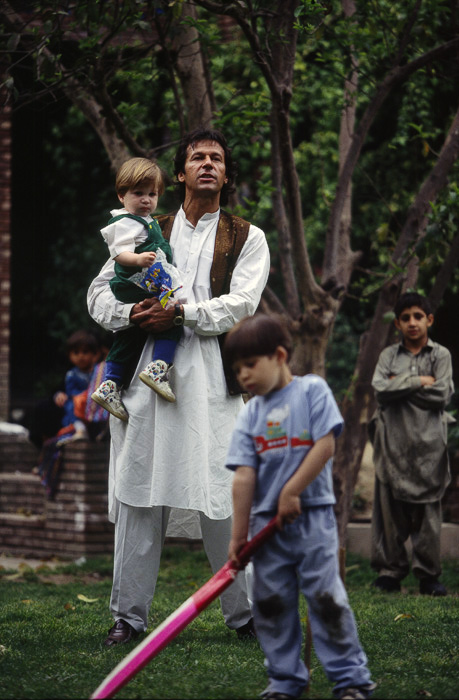
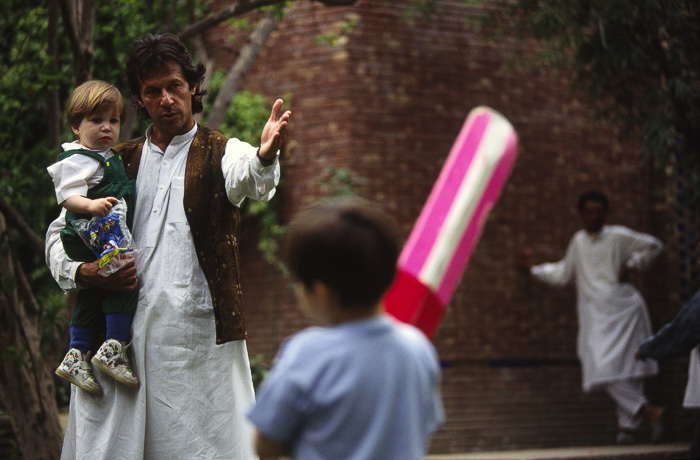
Oh dear. If there’s one thing that unites Pakistani’s it’s cricket, so it’s with great sadness that I read about the twists and turns of the latest betting scandal involving the touring team at the moment. I never really ‘got’ cricket: I’m a Spurs fan (it’s a world of pain…) and grew up playing football. I did however make two reportage features about Imran Khan over the years. As for trying to actually photograph cricket – or any other sport for that matter – it’s a fantastic skill that I don’t possess.
Here’s a couple of images of him at home in Lahore (in more peaceful days) explaining the intricacies of the game to his nephews…